
5 Checks to Make Before Booking a Suriname Trip
Suriname rewards travelers who plan beyond the flight search. Paramaribo is easy to enjoy at a relaxed pace, but reaching riverside villages, jungle lodges, and remote nature areas can take far longer than a map suggests.
Before we book, we should check entry rules, travel dates, total costs, transportation, and the details that affect comfort in the interior. A little preparation keeps a promising Suriname vacation from becoming a chain of expensive last-minute fixes.
Overview
Check Entry Rules, Passport Details, and Travel Dates
We should confirm entry requirements before paying for nonrefundable flights, hotels, or tours. Requirements can differ by nationality, the purpose of our visit, and the length of our stay. A passport that expires soon can also cause trouble, even when a destination does not require a traditional visa.
For U.S. travelers, the safest approach is to review the latest guidance from the U.S. Department of State, the nearest Suriname embassy or consulate, and the U.S. Embassy in Suriname. Entry systems, tourist fees, vaccination documentation, and visa rules can change. We should also check whether airlines have separate document requirements before boarding.
Keep copies of our passport, return or onward travel confirmation, accommodation details, and travel insurance policy. Store digital copies securely, but bring printed copies too. Wi-Fi may be limited when we leave Paramaribo.
Travel dates affect more than airfare. Public holidays, school breaks, and local celebrations can raise room rates or reduce availability. Independence Day falls on November 25, while Phagwa and other cultural events can bring lively activity to Paramaribo.
If we are still deciding when to go, our best time to visit Suriname guide can help us compare seasons before we book.
We should book only after our passport validity, entry documents, and arrival plan all line up.
Confirm the Best Season for the Experiences We Want
Suriname has a tropical climate, so rain can fall during any month. Still, the country generally has two rainy periods and two drier periods. The long rainy season often runs from about April through mid-August, while the long dry season usually falls between mid-August and November. A shorter rainy period often arrives around December and January, followed by a shorter dry stretch around February and March.
The drier months can make road travel and city sightseeing easier. They also suit travelers who want more predictable conditions for outdoor excursions. However, dry weather does not mean every jungle trail stays dust-free or every river runs low.
Rainy months can make forests lush and rivers easier to travel by boat. On the other hand, heavy rain may slow transfers, change trail conditions, and interrupt outdoor plans. Wildlife sightings also depend on location, water levels, and the experience of the local guide.
We should choose dates based on our priorities. A traveler focused on Paramaribo’s architecture and food may have different needs than someone hoping for a multi-day river trip or wildlife-focused lodge stay.

Set a Realistic Budget Before Booking Accommodation
A low nightly hotel rate doesn’t show the full cost of a Suriname trip. Flights are often the largest expense for U.S. visitors, especially because routes may include connections through cities such as Miami, Amsterdam, or Georgetown. Once we arrive, tours, airport transfers, meals, guide fees, and transportation can add up quickly.
We should budget for:
- Flights, baggage fees, and airport transfers
- Accommodation, meals, tips, and local transportation
- Guided tours, park or village fees, and boat transfers
- Travel insurance, medications, insect repellent, and emergency cash
Paramaribo gives us the widest choice of hotels, guesthouses, restaurants, and independent activities. It can work well as a base for shorter visits or day trips. In contrast, an eco-lodge or interior package may cost more upfront but include meals, guides, boats, and lodging.
Before comparing prices, we should check what each rate covers. Breakfast, air conditioning, Wi-Fi, drinking water, airport pickup, and guided activities are not always included. A cheaper-looking room can cost more once we add daily transportation and meals.
If we need help comparing areas and lodging types, our where to stay in Suriname guide can make the choice easier. For travelers heading into nature, the Suriname jungle lodges page is also a useful place to compare options.
Cash also matters. Cards may work at hotels, major stores, and some restaurants in Paramaribo, yet they are less dependable outside the capital. We should carry enough local currency for small purchases, tips, market snacks, and unexpected transport costs.
Choose a Convenient Place to Stay
Where we stay shapes the rhythm of our trip. Paramaribo is a strong choice when we want restaurants, museums, markets, nightlife, and easy access to the historic center. The city’s wooden buildings and riverfront streets also make it practical for travelers with limited time.
A nature lodge is better when forest, rivers, birds, and wildlife are the main reason for visiting. Still, we should understand the transfer before we book. Some properties require several hours by road, followed by a boat ride. Others include transportation only on fixed arrival days.
Recent guest reviews can reveal details that polished photos miss. We should look for comments about cleanliness, noise, mosquito screens, air conditioning, road access, meals, and staff communication. Cancellation terms matter too, especially during rainy months or when our international flights have tight connections.

Arrange Reliable Transportation Between Each Stop
Transportation is one of the biggest practical checks for a Suriname vacation. Paramaribo has taxis, private drivers, rental options, and some local transit, but service becomes more limited once we head toward the interior. Remote destinations may require a pre-arranged vehicle, a boat, a small aircraft, or a guide-organized transfer.
We should confirm how we will get from Johan Adolf Pengel International Airport to our accommodation. The airport is outside Paramaribo, so an airport transfer should be arranged before arrival, particularly for late flights.
For every tour or lodge booking, ask for exact pickup details. Confirm the departure time, meeting point, travel method, luggage limit, and return schedule. If a package includes transport, ask whether that means round-trip transportation or only one transfer.
Road conditions can change after heavy rain. Boat schedules may depend on river conditions, daylight, or group size. A planned departure is not the same as a guaranteed connection, so we should leave room in the schedule.
If we are trying to sort out transfers, our Suriname transportation guide can help us understand what to expect.
Plan for Travel Time, Not Just Distance
A short route on a map can still take most of a day. Roads outside major areas may be slower, and river travel runs at the pace of the water rather than the clock. Ferry crossings, weather delays, and shared transfers can add more time.
We should avoid booking a remote lodge departure on the same day as an international arrival unless the operator confirms it is realistic. The same rule applies to return flights. An overnight in Paramaribo before and after an interior trip gives us a useful buffer.
Packing light also helps. Small boats and transfer vehicles may have limited space, and a soft-sided bag can be easier to manage than a large hard-shell suitcase.


Build an Itinerary That Fits Our Travel Style
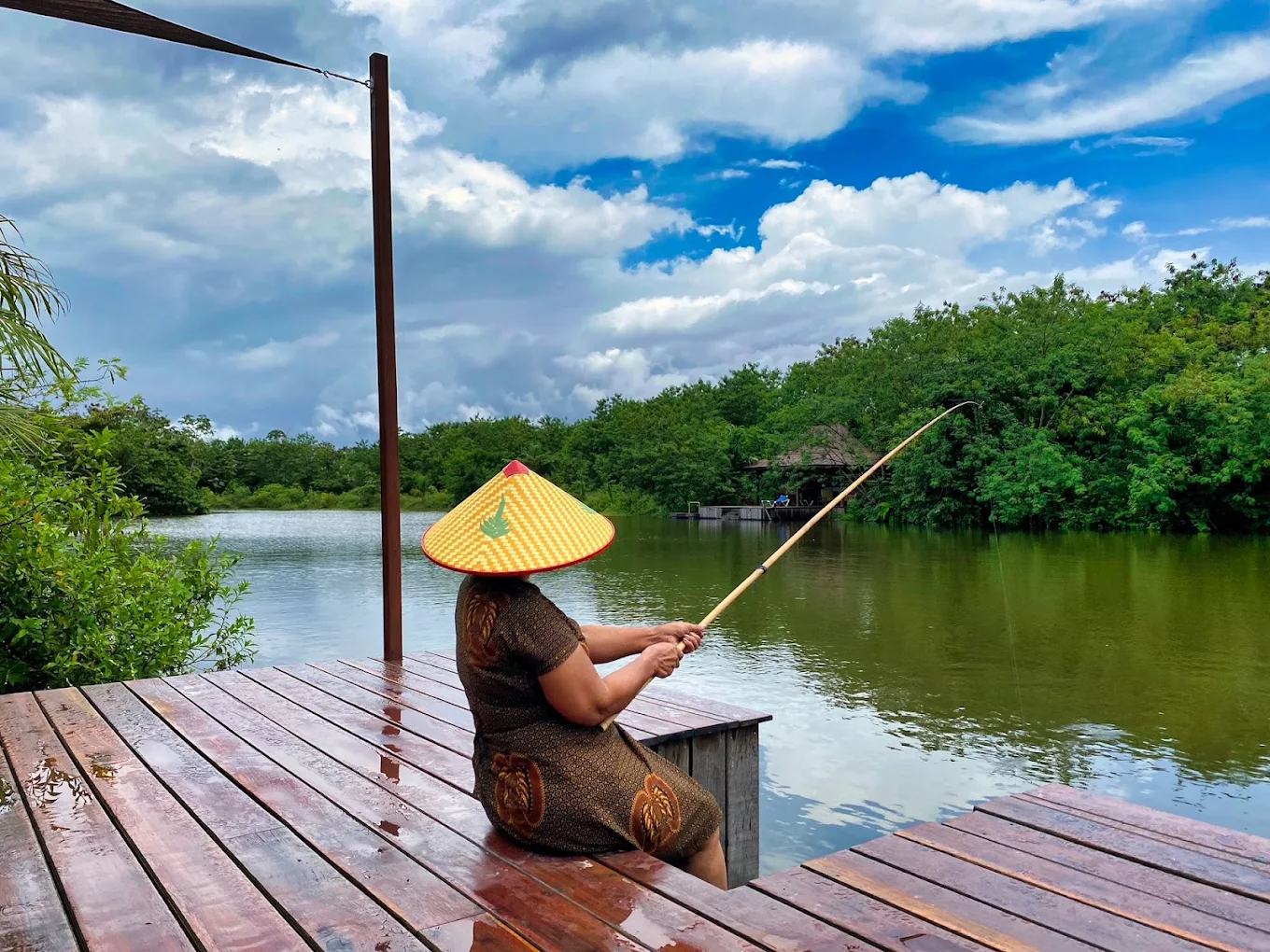
Suriname trips work best when we choose a clear pace. We can spend a few days exploring Paramaribo, add a cultural or plantation visit, then reserve time for a river or jungle experience. Trying to cross the country every day turns a vacation into a series of transfers.
The historic inner city of Paramaribo is a natural starting point. Its wooden colonial-era buildings, religious sites, markets, and food spots offer a different side of Suriname than the forest. We can then add a day trip or a longer journey into the interior, depending on the days available.
Travelers who enjoy cultural history may want time for Fort Zeelandia, the Waterkant, and local food markets. Those focused on nature might prefer several nights at a lodge, where guides can plan walks, boat rides, and early morning wildlife outings.
For city planning ideas, our things to do in Paramaribo guide can help us build a simple first draft. If we want help putting everything together, our Suriname itinerary ideas page is a good next step.
We should also plan rest time. Tropical heat, humidity, and long transfers can make an overloaded itinerary feel harder than it looked on paper.
Reserve Popular Tours and Remote Lodges Early
Small-group trips have limited space. This is especially true for weekend departures, river journeys, and lodges that operate on set transfer days. Waiting until we arrive can leave us with fewer options or force major changes to our route.
Before making a payment, confirm the tour length and meeting point. Ask whether meals, drinking water, entrance fees, and transportation are included. We should also know the guide’s language, the activity level, the weather policy, and the cancellation terms.
Some activities require more mobility than others. A jungle walk can involve uneven ground, mud, steps, heat, and boat boarding. We should describe any mobility needs or dietary restrictions early, not after the final booking.
Check Health, Safety, Money, and Communication Needs
We should speak with a health professional well before departure about recommended vaccines, prescription medication, and destination-specific advice. For current health guidance, the CDC Travelers’ Health page for Suriname is a smart place to start. Mosquito protection is part of daily planning in Suriname, especially outside urban areas. Pack an effective insect repellent, lightweight long sleeves, and any medication we may need.
Travel insurance should cover medical care, evacuation, travel disruption, and remote activities if those are part of the itinerary. Keep emergency contacts available offline, including our insurer, accommodation, tour provider, and the U.S. Embassy in Paramaribo.
Drinking water arrangements vary by location. Hotels may provide safe water, while remote lodges may have their own filtered-water system. We should ask before arriving and bring a reusable bottle.
For money, carry a mix of payment options. Let our bank know about the trip, bring a backup card, and keep some cash separate from our main wallet. ATMs and card acceptance are more common in Paramaribo than in distant communities.
Prepare for City Comforts and Remote Travel
A Suriname packing list should work for humid city days and wet outdoor conditions. Lightweight clothes, a compact rain jacket, sturdy walking shoes, sunscreen, insect repellent, and a small day bag cover most needs.
We should protect phones, passports, cameras, and chargers with waterproof bags or cases. A power bank is useful, especially during long transfers. Remote areas may have limited electricity, internet, shops, and medical services.
Download maps, booking confirmations, and contact numbers before heading into the interior. We should also ask our lodging or tour company about phone coverage and whether an eSIM or international roaming plan will work along the route.
If we want a full packing reference, link this section to our Suriname packing list.
Make Every Booking With the Full Trip in Mind
The strongest Suriname plans account for the whole trip, not only the first hotel or lowest airfare. When we check entry rules, total costs, transportation, pacing, and health needs early, we can choose experiences that match our time and budget.
Before we make payments, review our passport, travel dates, accommodation inclusions, transfers, tour terms, insurance, cash plan, and communication options. For trips that combine Paramaribo with remote areas, a trusted local tour operator can confirm whether the lodging, transfers, and activities fit together realistically.