
Suriname Tours: What To See Between The Coast And The Interior
Suriname can feel like two trips in one. We start on the coast in Paramaribo, then we move through rivers, creeks, plantations, and forest edges before we hit the true interior.
That “in-between” zone is where a lot of travelers get stuck. Do we stay close to town and keep things easy, or do we push deeper and deal with longer drives and early boats? Suriname tours work best when we pick a few anchor stops and leave room for changes.
In February 2026, flexibility matters even more. It’s still the tail end of the rainy season, so quick downpours, muddy roads, and higher water levels can shift timing. We can still see a lot, we just plan with a looser grip.
Overview
Start on the coast: Paramaribo is more than a quick stopover
Paramaribo is the easiest base for exploring, because most guides, boats, and day trips start here. It also sets the “why” behind everything inland. We see river life, colonial history, and the mix of cultures that shaped the plantations and the interior communities.
If we want one hub to organize the whole trip, it helps to browse a Suriname tours overview first, then match day tours and multi-day options to our pace.
Easy city sights that give us quick wins in half a day
Paramaribo’s historic center feels like a wooden storybook, except it’s real life and it’s busy. A simple loop works well: Independence Square area, the Waterkant riverfront, Fort Zeelandia, then a cool-down in the Palmentuin (Palm Garden).
Mornings are best for market energy and lower heat. Late afternoon is best for Waterkant, when the light softens and the river breeze helps. We bring water, sun cover, and a small rain layer, because showers can hit fast in this season.
If we want context on the main landmarks, Lonely Planet’s Suriname attractions guide is a useful reference before we walk.
One small habit makes the city day easier: we plan indoor breaks (museum, café, covered market) around the hottest hour.
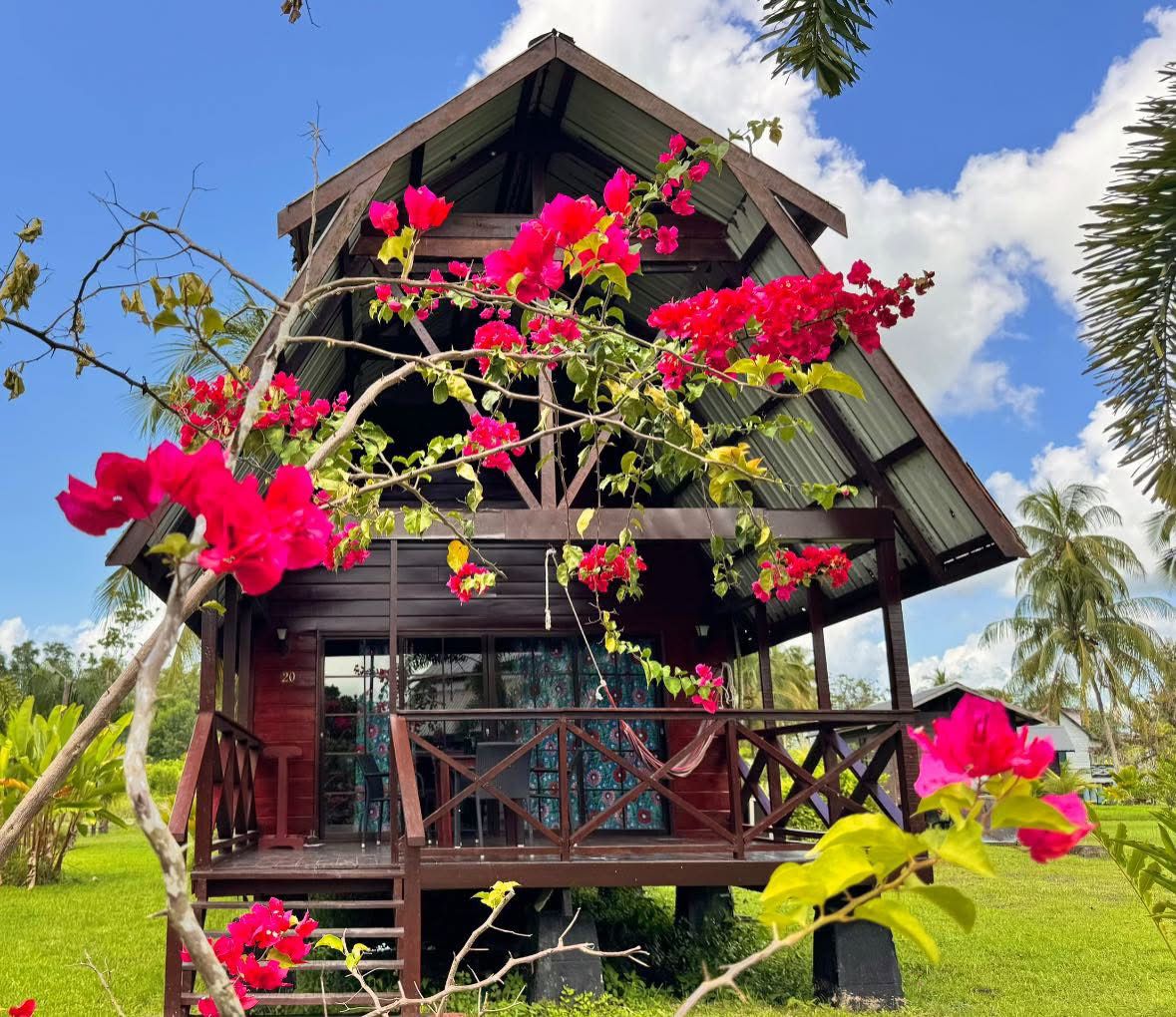
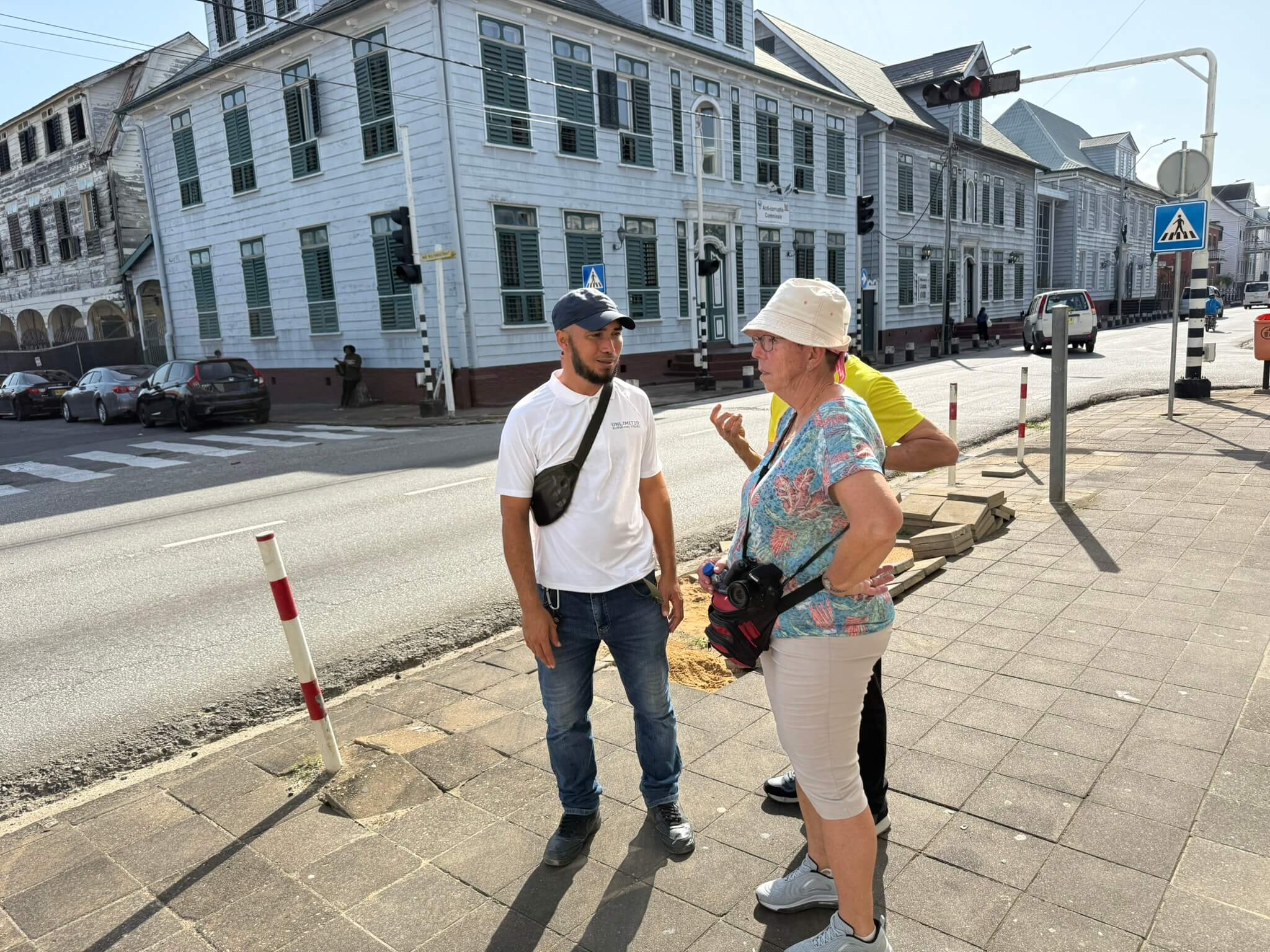
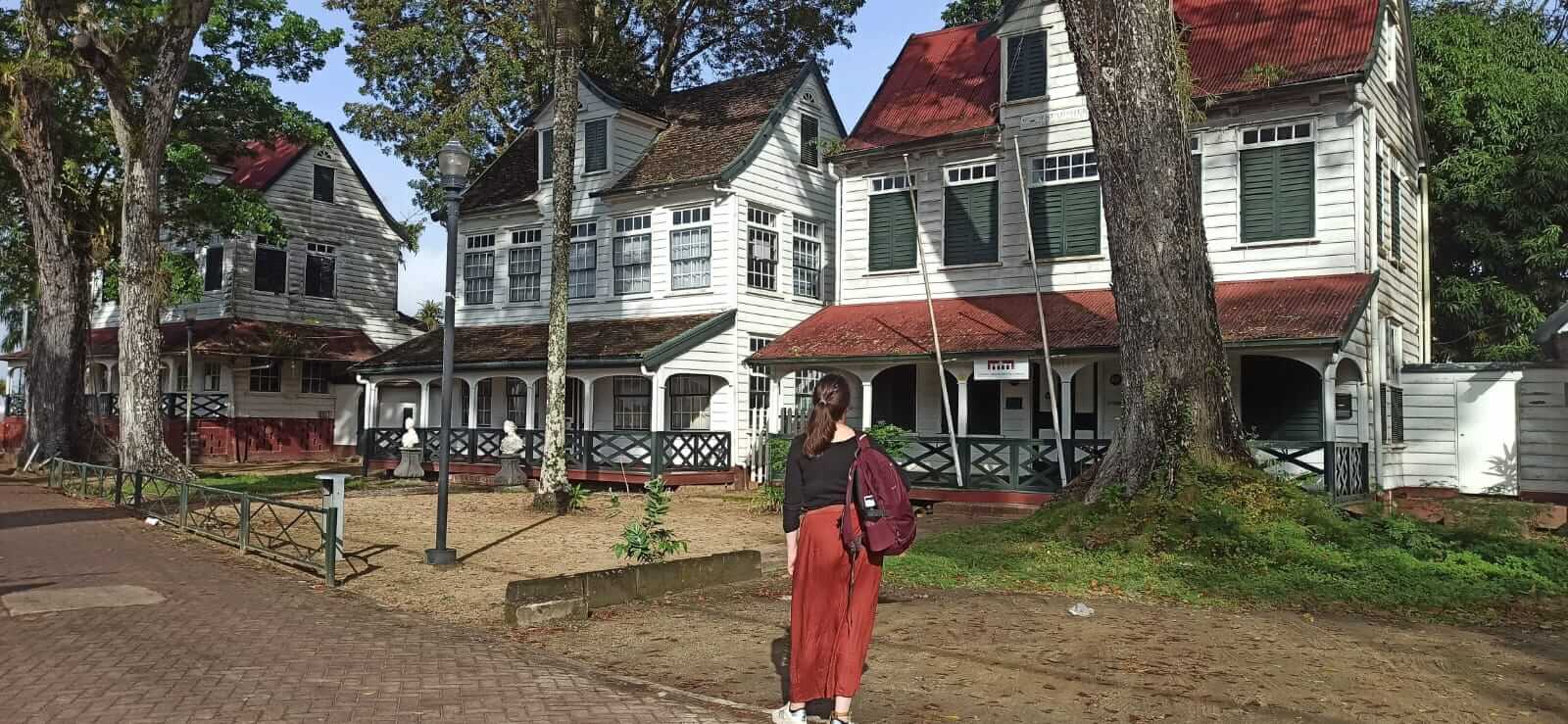
Day trips that bridge the coast and the interior, perfect when we don't want long travel days
This middle belt is where Suriname starts to look wilder, without the remote logistics. Think short drives (often 1 to 2 hours), calmer planning, and a mix of nature and history in the same day.
When we’re deciding what fits our schedule, it helps to scan day tours in Suriname and choose by “feel,” not just by the checklist of sights.
Commewijne and Peperpot: plantations, trails, and birdlife close to town
Commewijne is a great first step out of the city. The roads and boat rides feel manageable, but the scenery changes fast. Old plantation land sits next to green waterways, and the air is full of birds.
Peperpot Nature Park is an easy win here. It’s an old plantation turned nature park, so we get history plus simple trails. The pace is relaxed, which makes it a smart choice for families and first-time visitors. If we only have one “nature day” near Paramaribo, Peperpot is often the least stressful option.
Jodensavanne: a quiet, powerful history stop on the river
Jodensavanne doesn’t shout for attention, and that’s part of the impact. We’re on the river, surrounded by heat and open sky, walking among traces of a 17th-century Jewish settlement and its synagogue site.
Going with a guide matters here, because the stories carry weight and the place can feel sparse without context. We pack bug spray, water, and expect strong sun. In February, rain can also make access slower, so starting early helps.
Creeks and mangroves: Warappa Kreek and Cola Creek for water, shade, and wildlife
Creek days are what we choose when we want nature without a long hike. Warappa Kreek is a mangrove boat experience, with real chances for birdlife (people often hope for scarlet ibis). Cola Creek is different. It’s about swimming and floating in dark “blackwater,” under forest shade.
We keep safety simple: life jacket on boats, don’t swim alone, and watch the sky. A calm creek can change mood fast after a storm.
For a broader, classic travel reference while we plan these “between zones” days, Bradt’s Suriname guidebook is still one of the most practical overviews.
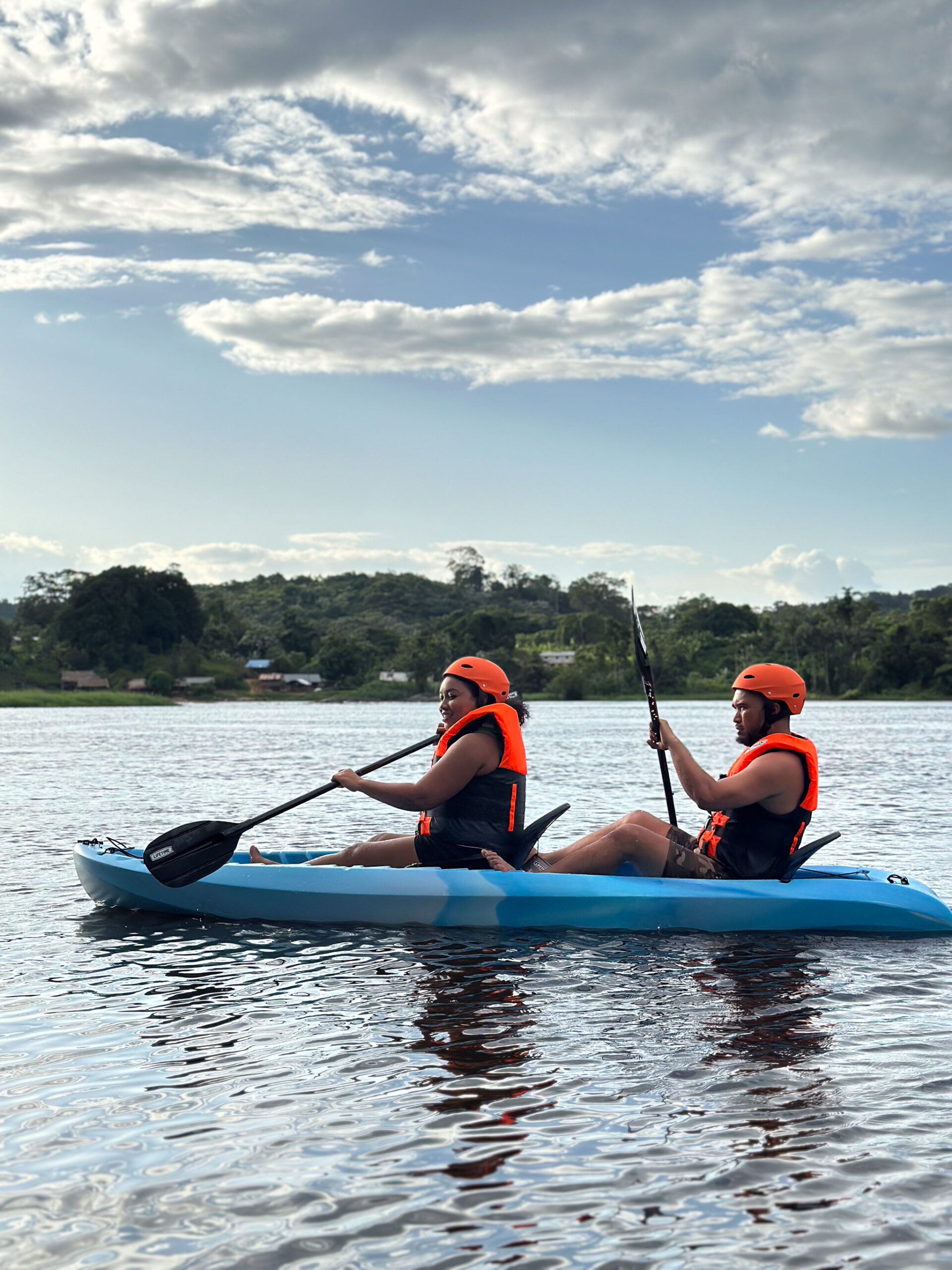
When we're ready to go deeper: the first real jungle feel without going fully remote
This is the point where Suriname starts to feel like the interior, even if we’re not flying into deep rainforest lodges. Travel time increases, roads get rougher, and early starts become normal, especially in rainy-season months when mud and potholes slow everything down.
If we want that deeper nature and culture preview without going all the way off-grid, we usually look at extended tours Suriname and pick one that balances comfort with time outside.
Brownsberg Nature Park: hikes, viewpoints, and waterfalls in a single trip
Brownsberg gives us a lot in one place: rainforest trails, a big viewpoint over the Brokopondo Reservoir, and waterfalls that feel earned after a walk. The forest is loud in the best way, with birds, insects, and the occasional monkey call.
Trail choice matters. Short walks still feel rewarding, while longer hikes demand shoes with grip and patience on slippery sections. In February, the dirt road and trails can turn slick after rain. We plan for slower hiking, and we treat wildlife sightings as a bonus, not the only goal.
Upper Suriname River: village life, culture, and forest edges that feel far away
A river trip to the Upper Suriname area changes the rhythm of the whole trip. We trade traffic for water, and we trade schedules for daylight and current. Depending on the program, we might visit Maroon villages, share local meals, see crafts, hear stories, and do short forest walks near the river.
Respect goes a long way. We ask before photos, dress modestly in villages, and follow the guide’s lead.
The quickest way to have a better cultural visit is simple: we show up curious, listen more than we talk, and don’t treat people like a photo stop.
If we want a big-picture sense of how Paramaribo connects to the interior, Lonely Planet’s Suriname overview frames that coast-to-jungle contrast well.
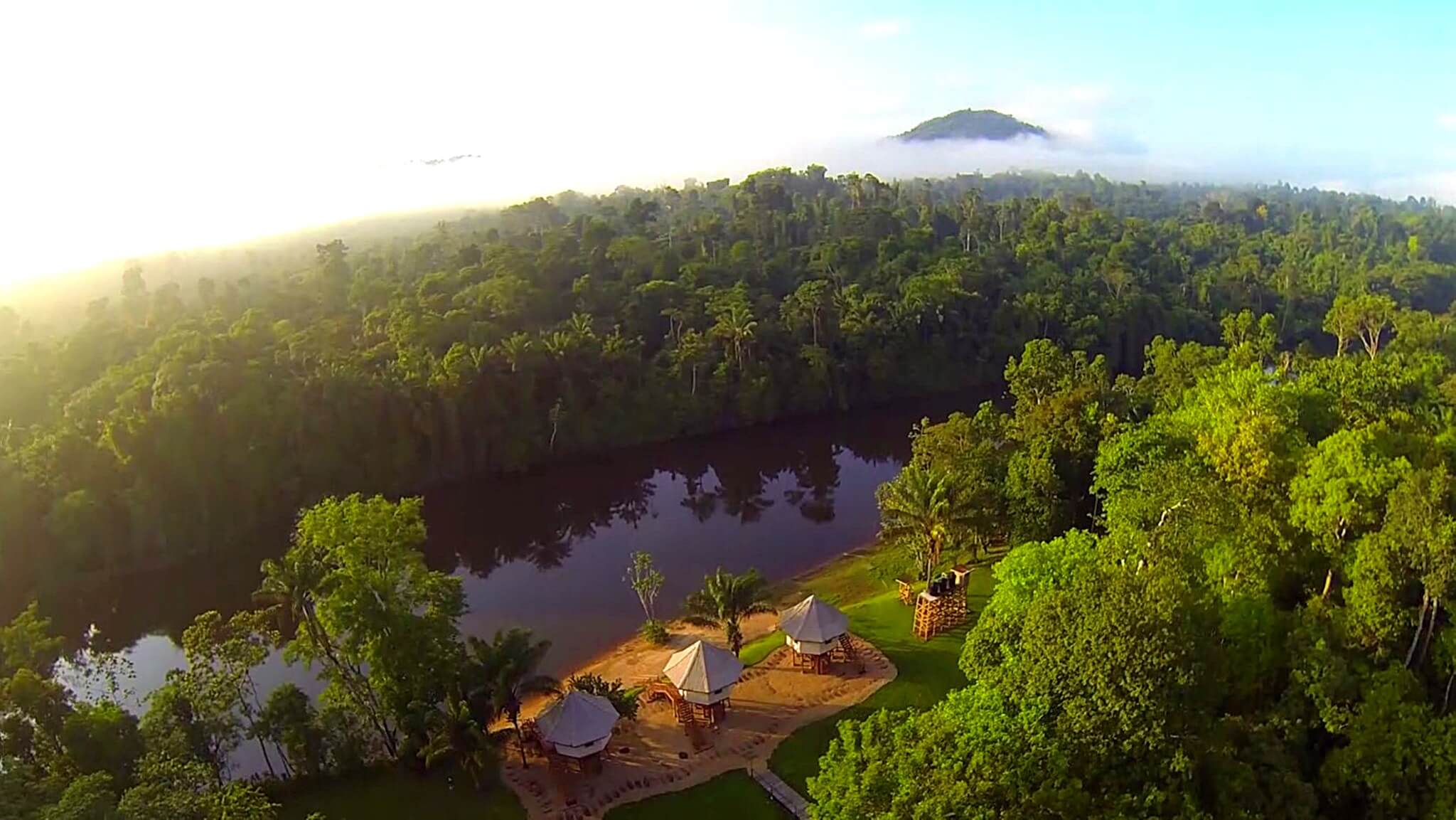
How we choose the right coast-to-interior tour (without overplanning)
We don’t need a perfect itinerary. We need a few smart choices that match our time, comfort level, and interests, plus a backup plan for weather.
Here’s a quick way to match trip style to reality:
| What we want most | Best fit | What it feels like |
|---|---|---|
| Easy logistics, sleep in Paramaribo | Day tour | One strong theme (history, creek, plantations) |
| More nature, less rushing | 2 to 4 days | Early starts, longer drives, deeper forest edges |
| Culture plus river time | Multi-day river program | Slower pace, village visits, boat travel |
If we’re still deciding which experiences should anchor the trip, the Suriname tours guide helps us compare ideas quickly.
A simple planning checklist: time, transport, weather, and what to pack
We keep it basic, because simple planning holds up best in wet, hot months:
- Start time: Many tours work better with a morning pickup, before heat and rain build.
- Transport type: Some days are drive-heavy, others depend on boats, so we confirm what’s included.
- Weather gear: Light rain jacket, dry bag, and a phone power bank.
- Bugs and sun: Repellent, sunscreen, and a hat. In February 2026, the CDC has a Level 2 notice for chikungunya in Suriname, so bite prevention is worth taking seriously.
- Money and basics: Cash for small stops, plus snacks and water, because facilities can be limited.
Common mistakes we can avoid, so the trip stays fun
Trying to stack too much into one day is the big one. A close second is skipping a guide in nature areas, then losing time on access roads, trail choices, or safety calls.
We also avoid small problems that ruin comfort: wrong shoes, not enough water, and forgetting to confirm pickup details the night before. In rainy season, that last step saves real frustration.
Conclusion
The best Suriname route usually has three layers: Paramaribo’s history on the coast, a middle zone of plantations and creeks, then a deeper add-on like Brownsberg or the Upper Suriname River. When we pick 2 to 3 anchor experiences, everything else gets easier to plan.
If we’re short on time, we stay with day tours and keep drives light. If we want that interior feeling, we choose a multi-day tour and let the river and forest set the pace.