
What Should We Take With Us: Practical Packing Tips for Suriname (February 2026)
Suriname in February feels like walking into a warm, steamy greenhouse. It’s hot, humid, and mostly part of the drier stretch, but we can still get surprise showers that soak a shirt in 30 seconds. That mix is exactly why packing for Suriname is less about “bringing everything” and more about bringing the right things.
Our packing changes a lot depending on how we’re traveling. A few easy days in Paramaribo ask for light clothes and comfortable shoes. A multi-day jungle or river trip asks for quick-dry gear, closed-toe shoes, and a plan to keep electronics dry.
Below, we’ll keep it simple: how we decide what to pack, a core checklist we can reuse, and a few smart add-ons that make Suriname travel easier without weighing us down.
Overview
Start with our trip plan: city time, jungle time, or both
Before we even touch a suitcase, we map our days in plain terms: city walking, day trips, river time, and multi-day interior tours. That one decision controls everything else, from shoes to bag size.
If we’re doing walking tours and museums in Paramaribo, we’ll sweat a lot but we’ll also want to look neat. If we’re doing water activities (river swimming, boat rides, waterfalls), we need quick-dry fabrics and something that can handle getting wet daily. And if we’re going deeper into the interior for multiple days, we should assume mud, bugs, and limited chances to replace forgotten items.
One practical detail people miss: some interior itineraries include small flights or boat transfers where luggage rules can be stricter than international travel. Soft bags often work better than hard suitcases, and light packing matters more than we think. Our personal rule is: pack light, plan to re-wear, and do laundry once. In Suriname’s humidity, that also means we choose items that dry fast and don’t stay damp for hours.
If we want a quick feel for how city culture and nature trips fit together, this guide helps set expectations: Suriname culture and nature guide. For general pre-trip reminders (money, practical habits, and what to expect on arrival), we also like reading a few outside perspectives such as Suriname travel tips for first-timers.
What changes if we stay mostly in Paramaribo
Paramaribo is relaxed, walkable in bursts, and sunny enough that we’ll feel it on our skin fast. The main challenge is heat management. We pack breathable outfits, aim for shade when we can, and keep water close.
For clothes, we lean on lightweight shirts, airy shorts, and one or two “presentable” outfits for dinners or cultural sites. A modest option is useful, even if it’s just a longer skirt or loose linen pants and a shirt that covers shoulders. We also bring a light rain layer because sudden showers happen, even in February, and we don’t want a soaked day turning into a cold, air-conditioned evening.
For footwear, we like sandals for quick errands, but we don’t rely on them all day. Sidewalks can be uneven, and our feet feel every step after a few hours. We bring one solid walking shoe, already broken in, and we treat that pair like a core item.
What changes if we go into the rainforest or on river trips
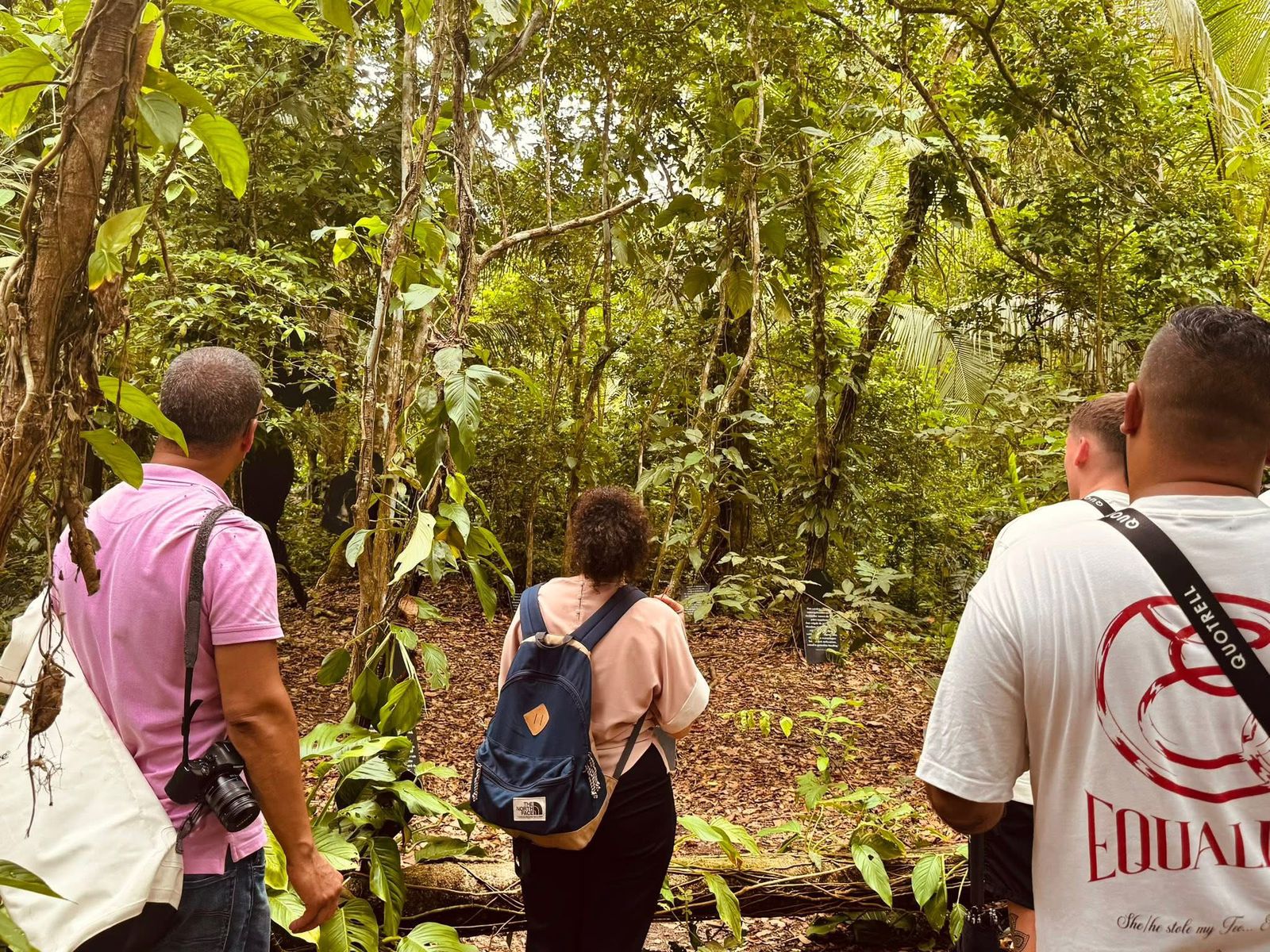
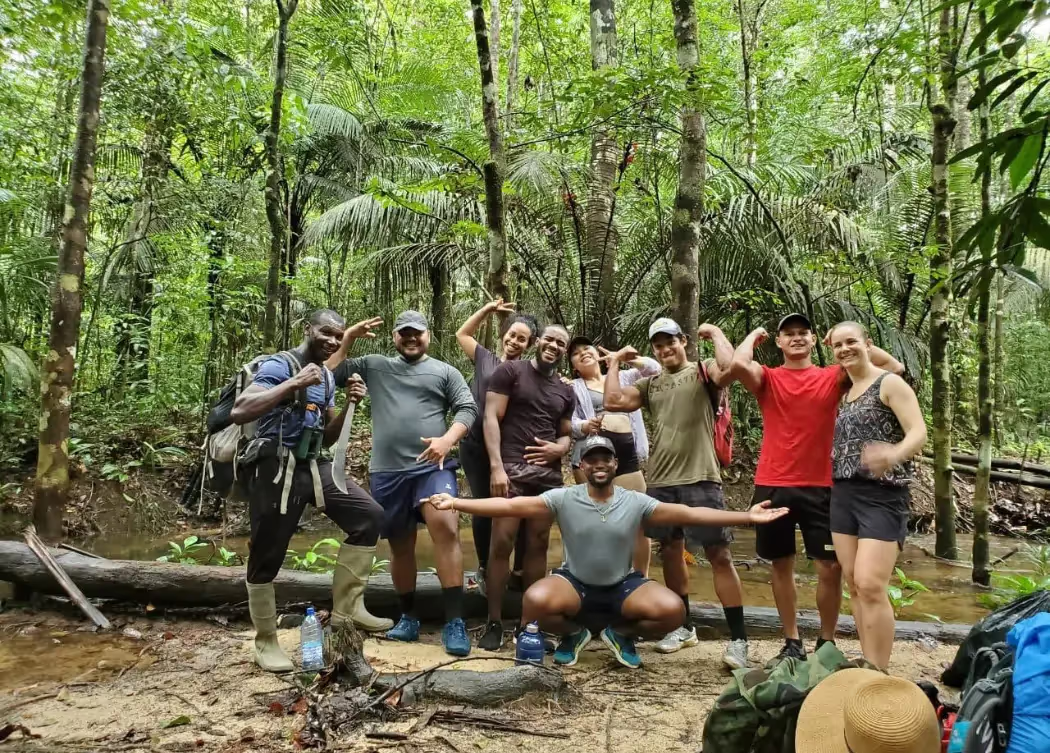
The interior shifts the packing logic. In the rainforest, long sleeves and long pants aren’t “too hot,” they’re protection from bites, sun, scratchy plants, and the constant little brush of leaves along narrow trails. We choose light, breathable long layers and avoid anything that holds water.
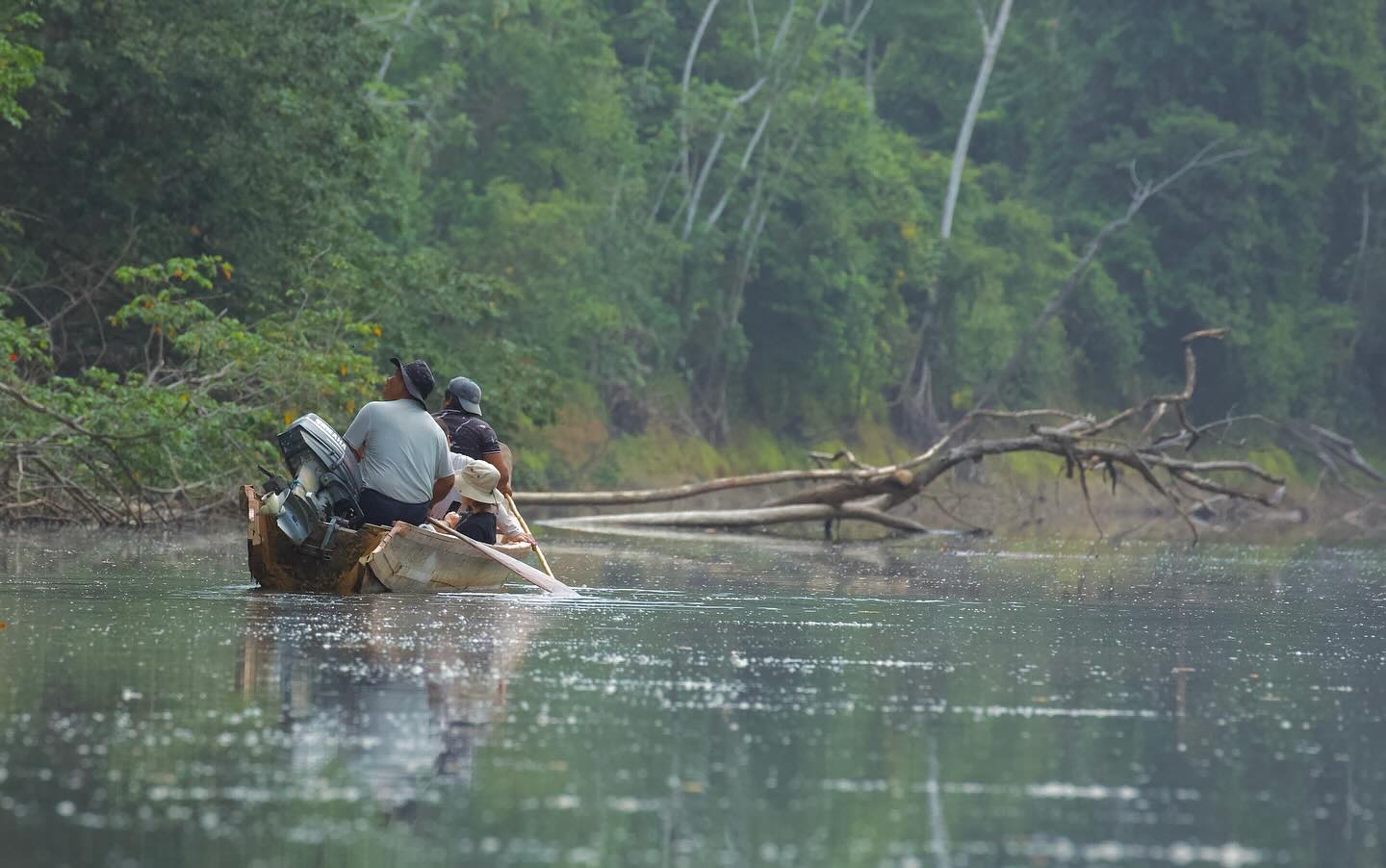
Quick-dry matters because humidity slows drying. If we pack thick cotton or heavy denim, we can end up wearing damp clothes the next morning. On river trips, we add water shoes or sturdy sandals, plus a dry bag (or two). Even careful boat rides splash, and one bad wave can soak a backpack.
We also pack a headlamp for early mornings and dark paths around lodges. Phone flashlights work until they don’t, and we’d rather save our phone battery for photos and maps. If we want a reference point for the kind of gear that fits a real interior stay, it’s helpful to look at an example itinerary like the Palumeu Jungle Lodge tour and notice how often water, forest walks, and boats show up in the same week.
Our core packing list for Suriname (simple, no fluff)
We like a packing list that’s short enough to use, but complete enough that we don’t have to “hope for the best.” This is our core list, with the key items that cover city days and interior days. If we pack only one section from this post, it’s this one.
- Hat or cap: Shade helps more than we expect, especially on bright afternoons.
- Good walking or hiking shoes: We’ll use them in the city and we’ll need grip if paths get wet.
- Cash in SRD: Small shops, market stalls, tips, and rural stops often prefer cash.
- Camera with well-charged batteries: Humidity and heat drain batteries faster than we want.
- Towel(s): Helpful for river swims, lodge days, and surprise rain.
- Mosquito repellent: We use it daily, not only in the jungle.
- Raincoat or poncho: A compact layer saves us when a quick shower hits.
- Sunscreen: February sun is strong, and we’ll feel it quickly on water and open roads.
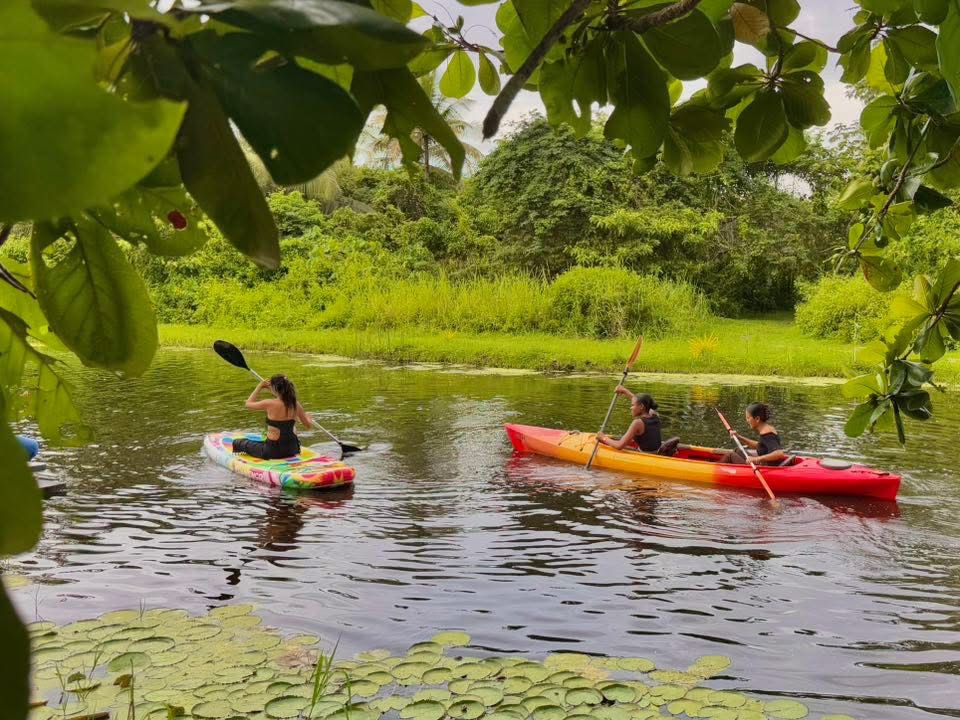
- Swimwear: River swimming is common, and it’s an easy way to cool off.
- Small backpack: For day trips, water, repellent, and a dry layer.
- Long trousers and over shirt with long sleeves: For bites, sun, and scratch protection on trails.
- Toiletries: Keep it simple, and bring what we can’t go without.
- Waterproof bag for electronics: One splash can end a phone and our trip photos.
- Passport for highway checkpoints: We keep it accessible because ID can be requested on the road.
That’s the base. Next, we fine-tune the “clothes and shoes” part, since those are the items that make us comfortable or miserable.
Clothes we pack for hot days, cool nights, and sudden rain
Our best Suriname outfits feel boring on the bed and amazing on the body. Lightweight T-shirts, breathable shorts, and underwear that dries fast usually win. We pack enough for a few days, then plan one laundry moment rather than stuffing the bag.
We also include 1 to 2 long pants and a long-sleeve overshirt, even if we swear we “hate long sleeves.” In the interior, they’re our wearable bug screen. In the city, they help in strong A/C and on evenings with mosquitoes.
For rain, we bring a poncho or light raincoat that packs small. Umbrellas can work in Paramaribo, but they’re annoying on boats and narrow trails. We skip heavy denim because it stays wet and feels heavy. If we want a second opinion on how travelers balance essentials and convenience, it can help to compare lists like this Suriname packing list guide, then strip it down to what matches our actual itinerary.
Shoes we bring for comfort and safety (including fredberg shoes)
We try not to overpack shoes, but we also don’t gamble with our feet. Our usual setup is one supportive walking or hiking shoe plus one pair of sandals or flip-flops.
A good Suriname walking shoe has three traits: grip for wet paths, breathable materials for hot days, and a fit we already trust. If we already own fredberg shoes and they’re comfortable for long walks, they can be a solid choice for Paramaribo days and light trail days. For deeper jungle hikes, we still check tread and water resistance, and we accept that mud and rain are part of the deal.
We also do basic blister prevention. We bring thin socks that breathe, a few bandages or blister pads, and we don’t debut brand-new shoes on day one. If we want a quick refresher on what makes travel shoes comfortable across long walking days, this overview is useful: best travel shoes guide.
Money, documents, and tech: the stuff that saves a trip
This section is the quiet hero of the whole packing plan. When money, IDs, and charging are handled well, we feel calm. When they’re messy, every small problem becomes a bigger one.
We split “must-have” items into two places: what stays on our body (or day bag) and what stays in our main luggage. Our phone, some cash, and a copy of key documents stay with us. The rest is packed securely, ideally in something water-resistant.
We also assume heat and humidity will test our routines. Phones overheat, power banks drain, and wet hands touch screens all day. We pack like we’ll be using our gear outdoors, not like we’re going from taxi to hotel lobby.
Cash and IDs: what we keep handy day to day
We carry cash in SRD for small purchases, markets, and tips. We also split bills into two spots so we’re not stuck if we misplace one wallet. In Paramaribo, cards may work in some places, but cash still makes life easier.
For documents, we keep our passport protected and accessible. On road trips outside the city, we might pass highway checkpoints, and it’s simpler if we can show ID without digging through luggage. We also keep a photo copy stored offline on our phone, plus a paper copy tucked in a separate bag.
One more small thing: we save our travel insurance details offline. If we ever need to reference a policy number or emergency contact, it’s best not to depend on spotty signal.
Electronics we don’t regret packing
We keep electronics basic: phone, charger, a power bank, and a camera if we like photos. A camera with well-charged batteries is still worth it in Suriname because wildlife, river light, and sunsets can be hard to capture on a phone, especially in low light.
We also pack a waterproof bag for electronics. This is non-negotiable for boat days, waterfall stops, and any rainy afternoon. Even a simple roll-top pouch can save a phone.
For navigation, we download offline maps before we go, especially if we plan interior travel. Signal can drop outside the city, and offline maps reduce stress fast.
For power, Suriname generally uses 110V and Type A/B plugs (similar to the US). We still check our hotel or lodge setup, and we toss in a small adapter if our gear needs it.
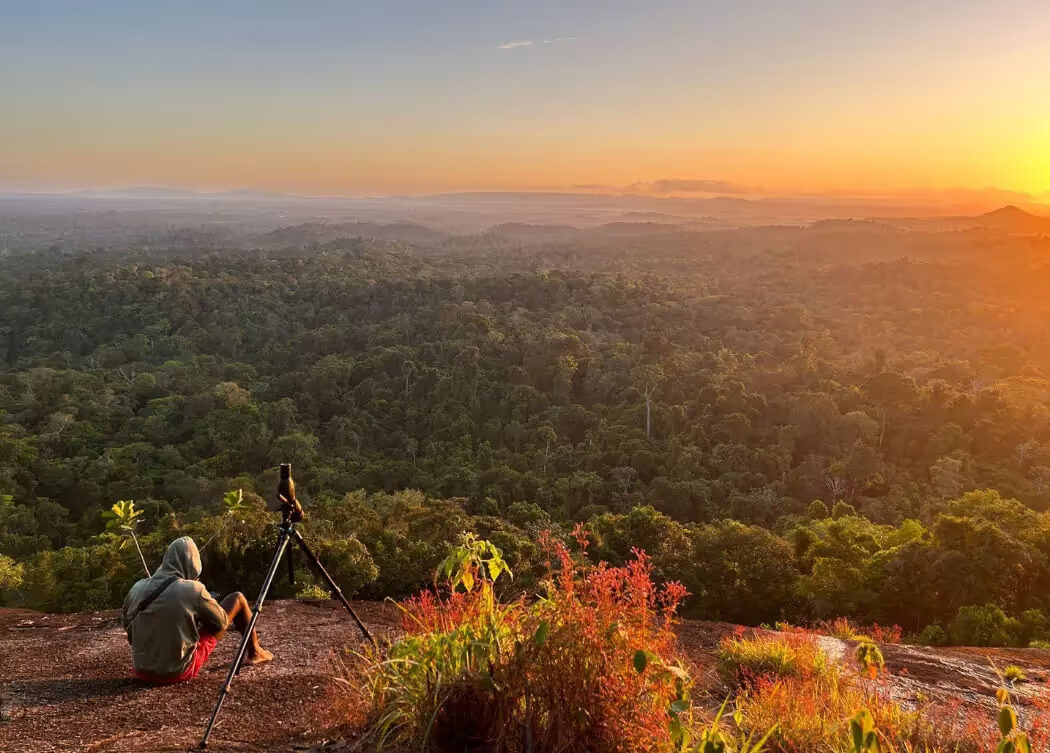
If our itinerary includes a real hike-and-camp style interior trip, we like checking the tour notes ahead of time. This Fredberg mountain top overnight example shows why a daypack, dry protection, and lighting matter more than fancy gadgets.
Health and comfort: stay bite-free, sun-safe, and dry
Suriname is friendly, but the climate has strong opinions. Heat, sun, and mosquitoes don’t care that we’re on vacation. We keep our approach simple: protect skin, drink often, and stay dry when we can.
We also keep health advice general and personal. Before travel, it’s smart to check with a travel clinic about vaccines and any meds we might need based on where we’re going and what we’re doing. The CDC’s general guidance is a useful starting point: CDC healthy travel packing list.
Mosquito and sun protection we use every day
We treat mosquito repellent like toothpaste. We use it daily, not only in the jungle. Dawn and dusk are usually the worst for bites, but shaded spots can be active any time.
Clothing helps a lot. Long sleeves and long trousers reduce bites, and they also cut sun exposure. We like light colors because they feel cooler in the sun and make it easier to spot bugs. If we’re prone to itchy reactions, we pack a simple after-bite product we already know works for us.
For sun, we keep it basic: sunscreen, a hat or cap, and sunglasses. February days in Suriname can feel intense, especially around water, open roads, and bright concrete in the city.
Small comfort items that make tours easier
Comfort isn’t luxury. It’s what helps us enjoy day three as much as day one.
We pack towel(s), simple toiletries, hand sanitizer, a refillable water bottle, and a few small snacks. A small backpack pulls all of that together for day trips, city walks, and boat rides. We also keep one dry set of clothes in a waterproof pouch, especially on river days. Changing into dry clothing after a splashy boat ride feels like resetting the whole day.
Rain is the other comfort factor. A poncho helps, but the bigger trick is protecting what must stay dry: passport, phone, and anything we’ll regret losing. We’d rather carry one extra pouch than spend a night trying to revive a wet camera.
Conclusion
Packing for Suriname gets easy once we match our bag to our plan. We pack light, protect ourselves from bugs and sun, bring shoes we trust (including fredberg shoes if they already work for our feet), keep documents and electronics dry, and carry some SRD cash. If we save this checklist and do a 10-minute “lay-it-all-out” test on the bed before we zip our bag, we catch almost every mistake while it’s still easy to fix.