
Suriname Cultural Highlight: Ramadan in February and Phagwa in March
Late February and March in Suriname can feel like two moods playing back to back. One week, evenings slow down as families gather after sunset for Ramadan. Not long after, streets and yards can turn bright with Phagwa color, music, and laughter.
What makes Suriname special is how normal this mix feels. We’ll see neighbors supporting each other across faiths, even when the holiday isn’t “theirs.” It’s common to hear people wish each other well, accept a snack offered in good spirit, and join public celebrations respectfully. Holi Phagwa is a perfect example: lots of people participate for the joy and community, not only for religion.
For travelers, this is a rare chance to feel Suriname’s culture in real time, not in a museum setting. Dates can shift, especially Ramadan (it follows the lunar calendar), so we’ll want to confirm close to our trip. Still, the feeling is steady: reflection in the evenings, then color in the daylight.
Overview
Ramadan in Suriname, what visitors will notice and how to join respectfully
During Ramadan, Suriname doesn’t “shut down,” but the rhythm changes. Some places feel quieter during the day, while evenings warm up with food, visits, and prayer. In 2026, Ramadan is expected to begin around the evening of February 17 or 18 and end around March 18 or 19 (timing depends on moon sighting). For a quick reference point while we plan, we can compare sources like Ramadan start dates in Suriname and local updates once we’re on the ground.
As visitors, we don’t need to be Muslim to appreciate what’s happening. We just need to read the room. If we’re staying in Paramaribo, we may notice that daytime café energy is a bit softer in certain areas, while after sunset the city feels more social. The best part is how welcoming it can be when we show basic respect.
If we want a cultural anchor during the calm daytime hours, a guided walk helps us understand the city beyond the holiday calendar. The Paramaribo Historical City Walk Tour is a solid way to connect architecture, neighborhoods, and everyday life, especially when we’re keeping our own schedule flexible around fasting hours.
What Ramadan looks like day to day in Paramaribo and beyond
Ramadan is a month of fasting from dawn to sunset, plus extra prayer and charity. For many people, the day begins early with suhoor (a pre-dawn meal). After that, mornings can feel normal, just quieter in some social spaces. Midday heat also plays a role, so it’s common to move a bit slower.
The big shift happens around sunset. Families and friends gather for iftar, the meal that breaks the fast. If we’re invited, it can feel like being welcomed into someone’s weekly Sunday dinner, except it happens after dark. Many people start simply, often with water and dates, then move into familiar Surinamese comfort foods. We might see roti, saoto soup, bara, bakabana, or other local favorites depending on the household.
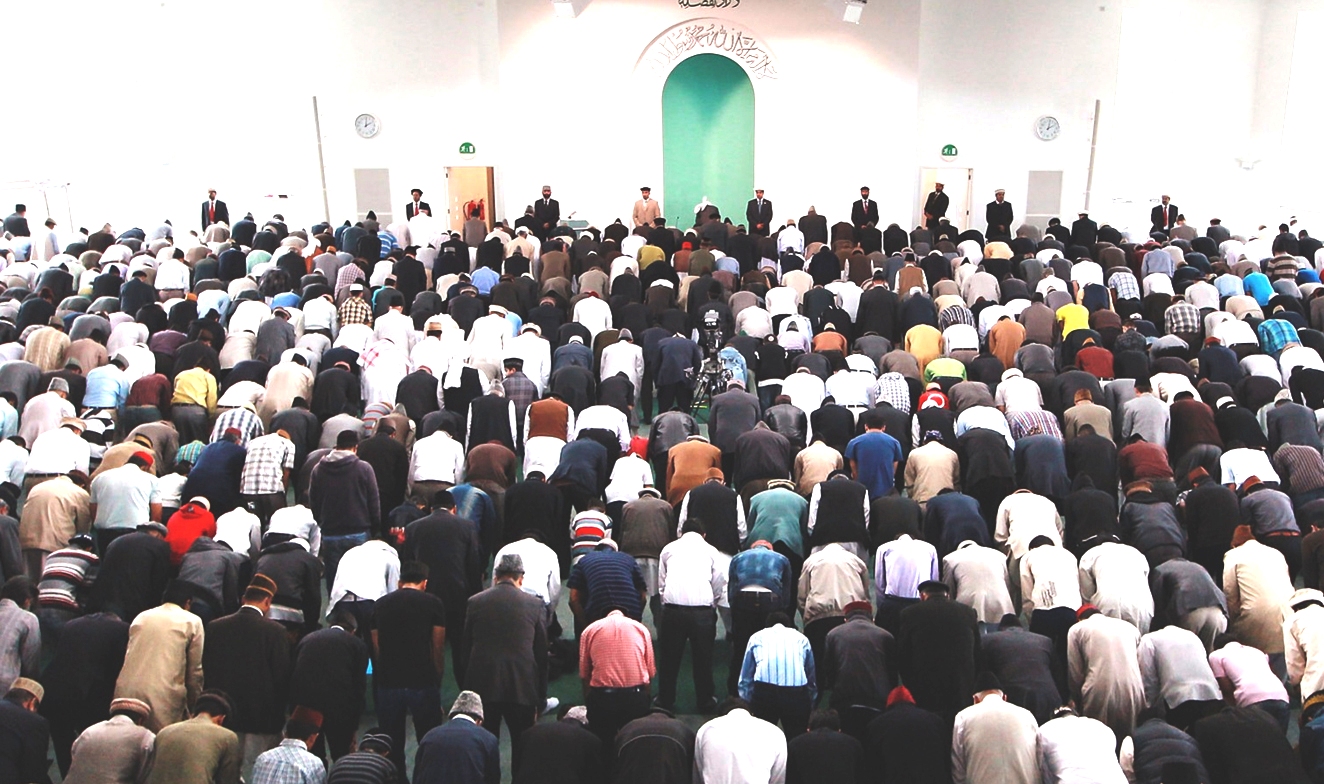
After eating, some people head to the mosque for Taraweeh prayers (extra prayers held at night during Ramadan). Even if we’re not joining, we’ll feel the atmosphere: streets with more foot traffic, families out later than usual, and a gentle sense of togetherness. In Paramaribo, the Keizerstraat area is one place where we can notice this evening energy, while still keeping our distance and respecting privacy.
Outside the capital, the same pattern holds, but it can feel even more home-centered. Evenings become the social heart of the day, and we’ll often find that hospitality shows up quietly, through shared food and thoughtful timing.
Simple etiquette that helps us blend in (and feel welcome)
We don’t have to overthink Ramadan etiquette, but we should be consistent. A few small choices can prevent awkward moments and help us feel more at ease.
- Public eating and drinking: During daylight, we’ll avoid eating, drinking, or smoking in public near mosques or in areas where people are actively observing the fast. If we need water (and we will), we can step aside and be discreet.
- Clothing: Lightweight, modest clothing goes a long way, especially near religious spaces. Think covered shoulders, longer shorts or skirts, and a calm overall look.
- Photography: We’ll ask before taking photos at mosques or of people gathered for prayer and iftar. When in doubt, we don’t shoot.
- Greetings: A simple “Ramadan Mubarak” is usually appreciated when offered sincerely.
If we’re traveling with kids, it helps to plan ahead:
- Snack timing: We can pack snacks and set “quiet snack breaks” away from crowds so children aren’t accidentally eating in front of people who are fasting.
- Early dinner plan: If our child needs a normal meal time, we can do an early meal in our room, then enjoy a post-sunset stroll as the city comes alive again.
To check what’s officially considered a holiday while we’re scheduling tours and transport, it also helps to look at Suriname public holidays in 2026, then confirm locally once we arrive.
Phagwa (Holi) in March, color, music, and the easiest way to make friends fast
Phagwa, also known as Holi, is one of those days where Suriname’s friendliness becomes impossible to ignore. It’s a public holiday, and it often feels like the celebration spills outdoors on purpose. We’ll see colored powder (abir), water play, music, sweets, and a kind of joyful chaos that’s still surprisingly good-natured.
In 2026, Holi Phagwa in Suriname is listed as March 30 by major holiday calendars. We can verify timing with a practical reference like Holi Phagwa 2026 in Suriname. Even when the date is fixed, the way the day unfolds can vary by neighborhood, family, and community group, which is part of the fun.
For travelers, Phagwa is also easy to join at a basic level. We don’t need an invitation to enjoy the public vibe. We just need the right clothes, the right attitude, and a little street smarts.
If we want to explore more than one area without planning every detail ourselves, it can help to keep flexible tour options ready. Browsing Suriname Tours: Day Trips and Multi-Day Adventures gives us a quick sense of what’s possible around the holiday, whether we’re combining city time with nature or heading out to districts beyond Paramaribo.
The main traditions, from colored powder to shared snacks
Phagwa is tied to ideas of joy, forgiveness, and fresh starts. In practice, we’ll feel that message through play. People toss colored powder, splash water, laugh at the mess, and treat it like a permission slip to be a little younger for a day.
We may also hear singing and drumming, and we’ll notice that food is part of the social glue. Sweets and snacks get shared because that’s what people do when they’re celebrating. We might come across ladoos or other small treats passed around during gatherings, sometimes alongside drinks and fruit to keep everyone going in the heat.
There’s also a night-before moment that’s worth knowing about: Holika Dahan, a bonfire tradition often observed the evening before Phagwa. We shouldn’t assume we can walk into a private religious setting, but we can be aware that some communities mark the transition with fire, stories, and a more reflective tone before the daytime color starts.
What stands out in Suriname is how mixed the crowd can be. Many people join because it’s a national celebration and a social one. That’s where we’ll feel Suriname’s “celebrate together” culture in a very real way.
What to wear and what to bring so we actually enjoy Phagwa
Phagwa is not the day for our favorite outfit. If we dress like we expect to get colorful, we’ll have a much better time.
Here’s the short packing checklist that saves us later:
- Old white clothes (or light-colored clothing we’re willing to stain)
- Sandals we can rinse, or shoes we don’t mind sacrificing
- Waterproof phone pouch (this one matters)
- Small towel and a spare shirt for the ride back
- Sunglasses to protect our eyes from powder and sun
- Cash for snacks, drinks, and quick purchases
A few comfort tips help too. We’ll avoid rubbing our eyes if powder gets in, and we’ll rinse with clean water instead. If we wear contacts, we might switch to glasses for the day. We’ll also be mindful around people who clearly don’t want to participate. A quick gesture, a smile, and keeping our powder to ourselves is part of respectful fun.

How Suriname celebrates together, even when we’re celebrating different things
Ramadan and Phagwa come from different faith traditions, and in some years they can sit close together on the calendar. What we’ll notice in Suriname is not a forced blend of the two, but something more practical: people make space. One family is fasting, another is preparing for a color festival, and both can still be good neighbors.
This is where Suriname’s multi-ethnic identity shows up in daily behavior, not slogans. We’ll see it in small talk, in food offered at the right time, and in the way public holidays become shared reference points even when beliefs differ. It’s also why planning a February to March trip can feel so rewarding: we get reflection and celebration in the same season, without needing to chase a “perfect” event schedule.
If we want to add deeper cultural context beyond Paramaribo, a longer itinerary can bring us into communities where traditions feel even more rooted in place. Looking at Extended Multiday Cultural Tours in Suriname can help us decide if we want a city base with day trips, or a multi-day journey that balances culture with interior nature.
What “celebrating together” really means here
“Celebrating together” in Suriname usually means support, not appropriation. We can take part in public joy while staying respectful about what’s private.
Concrete examples we’ll actually see:
- Wishing friends well across holidays, even if we don’t observe the tradition ourselves
- Accepting food when offered at an appropriate time, especially in the evening during Ramadan
- Joining public Phagwa fun with consent, and stepping back easily when someone isn’t participating
- Being considerate during fasting hours, especially with loud eating or drinking in close proximity
As travelers, we fit into this best when we act like guests in a shared neighborhood. We’re present, curious, and careful not to turn someone else’s holiday into our photo shoot.
A simple February to March trip plan built around these cultural moments
If we’re trying to catch both Ramadan evenings and Phagwa energy, we can keep our plan simple and flexible.
A practical framework:
- Arrive before Ramadan evenings so we can settle in and learn the city’s pace.
- Use calm daytime hours for heritage walks, markets, and museums, then keep evenings open for the post-sunset atmosphere.
- Shift into Phagwa mode in late March, planning for crowds, transport delays, and a more playful street scene.
Two reminders make the trip smoother. First, we’ll confirm dates close to travel because moon sighting can shift Ramadan by a day. Second, we’ll book stays early if we want a central location near major neighborhoods.
For a low-stress way to fill daytime with meaningful experiences, we can mix culture and nature with Explore Suriname’s Day Trips and Cultural Adventures. It’s an easy way to keep our schedule full without fighting the holiday rhythm.
Conclusion
When we visit Suriname in late February and March, we’re stepping into a season of contrast that somehow fits perfectly. Ramadan brings quieter days and community-centered evenings, where timing, kindness, and family matter. Phagwa brings the opposite energy, bright color, loud laughter, and the kind of celebration where strangers can feel like friends in minutes.
The deeper takeaway is simple: Suriname makes room for both, and we can be part of that by traveling with respect. We’ll plan ahead, confirm dates close to our trip, and stay aware of what’s public and what’s personal. If we do that, these holidays won’t feel like events we watched, they’ll feel like moments we shared.