
Must-Try Adventures if We Want to See Mountains in Suriname
Most people picture Suriname as flat, green, and watery, endless rainforest stitched together by brown rivers. Then we drive south, the road starts to roll, and the country changes. Deep in the interior, Suriname has rugged highlands, steep forested slopes, and stone plateaus that feel like a different world.
In this guide, we’re sharing a practical shortlist of must-try mountain experiences for real views, plus what each trip feels like (easy day outing versus multi-day expedition). If we’re planning Suriname mountainous terrain adventures, this is the stuff that turns “nice nature trip” into “I can’t believe we stood up there.”
We’ll keep it simple and honest: what we’ll see, how long it usually takes, and what’s hard about it.
Overview
Know what “mountains” look like in Suriname, and where they are
Suriname’s mountains don’t work like the Alps. Most peaks sit under thick rainforest, so we don’t get constant views while we walk. We earn the big lookouts by climbing to a ridge, a rock face, or a plateau, then the forest finally opens up and the horizon hits us all at once.
The highest point in the country is Julianatop (Ipinumin) at about 1,280 meters. It lies in the Wilhelmina Gebergte area, far from roads and towns. Tafelberg is about 1,026 meters, famous for its flat-topped tepui shape, and it’s also remote. These “real” mountain goals usually mean some mix of small plane flights, river travel, and long jungle treks with camping.
If we want a quick mountain-like view without committing a week, we can stay closer to the coast and still get a dramatic overlook. Brownsberg is the classic example, perched above the Brokopondo Reservoir. For the truly wild interior, areas tied to the Central Suriname Nature Reserve are where the big, remote terrain starts to dominate.
Why these trips are different from hiking in the Alps
In Suriname, heat and humidity do most of the talking. We sweat fast, even at an easy pace. Trails can be muddy, and mud here isn’t a cute inconvenience, it can be ankle-grabbing, slippery, and exhausting. Add river crossings, wet roots, and steep short climbs that feel like stairs made of clay.
The forest is also dense, which means our “mountain hike” might feel like a tunnel of green for hours. Then, at a viewpoint, the reward is sudden: a reservoir like a sheet of metal, or an ocean of canopy with clouds snagging on distant ridges.
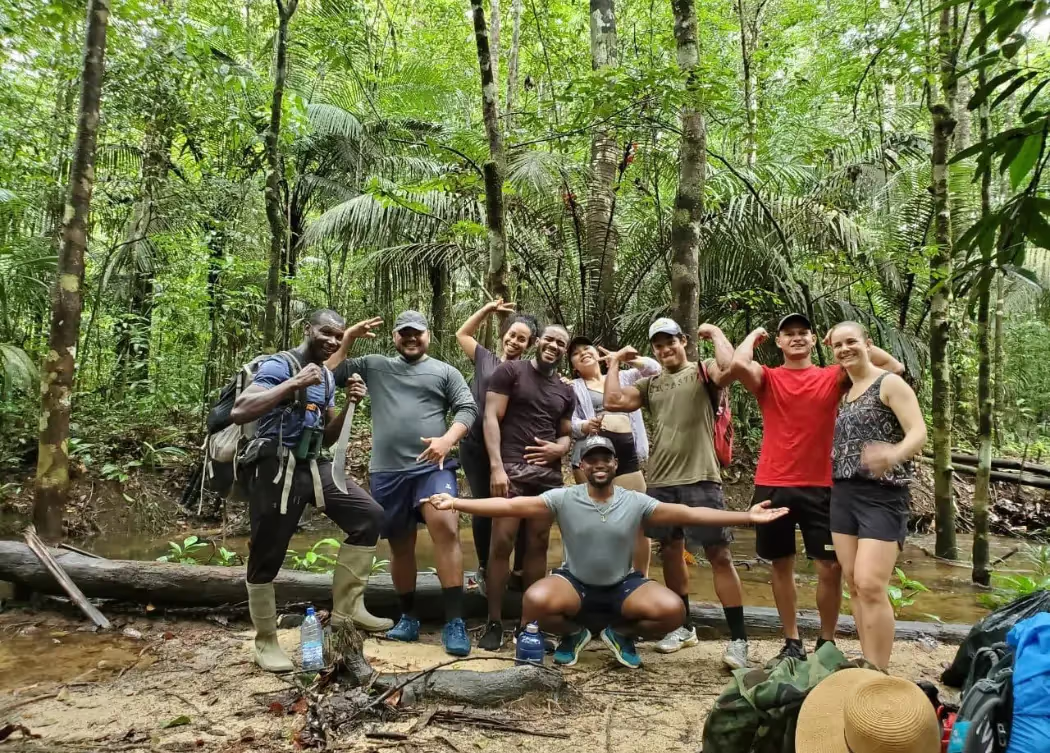
Wildlife is part of the deal too. We might hear howler monkeys before we see them, spot macaws flying in pairs, or catch movement in the canopy that turns out to be a troop of monkeys. And for the remote peaks, guides aren’t optional. Navigation is hard, help is far away, and local knowledge is what keeps a tough hike from becoming a risky one.
Best time of year for clearer views and safer trails
If we want better trail conditions and a higher chance at wide views, we usually aim for the drier periods, often February to April, and August to November. February (right now) typically sits in a drier stretch, which often means less slippery ground and fewer rain-swollen creeks, even though short showers can still happen.
River levels and weather can change quickly, so we keep some flexibility in our schedule. And because small planes and limited lodge space can cap the number of people heading into the interior, it helps to book early when we’re set on a specific window.

Must-try mountain adventures, from easy viewpoints to serious summit treks
Not every “mountain” experience in Suriname needs a huge expedition. We can start with a day trip that still gives us elevation and a big horizon, then work up to overnights, then multi-day treks where we’re sleeping in hammocks and waking up to jungle soundtracks.
The four adventures below cover the full range, from the easiest way to get views fast to the hardest summit goal in the country. We’re not listing prices or strict itineraries here because conditions and logistics change, but we are clear about what each trip asks from us.
Brownsberg Nature Park, the easiest way to get big views fast
Brownsberg is our best “first mountain” in Suriname. It’s close enough to Paramaribo to work as a full-day trip, but once we’re up on the Mazaroni Plateau area, we get the kind of wide view that makes people stop talking mid-sentence. The Brokopondo Reservoir spreads out below, dotted with tree-covered islands, and the forest rolls away in every direction.
The trails vary from easy strolls to longer hikes that feel surprisingly tough in the humidity. Waterfalls are part of the payoff, and many people aim for routes that include falls like Irene Falls (conditions and exact access can vary with weather and park rules). The main challenge is how slick it gets after rain. Even a short shower can turn a gentle path into a slide.
If we want a good sense of what a Brownsberg day looks like, this Brownsberg Nature Park travel guide gives helpful context on trails and the general experience.
For a day hike, we keep packing simple:
- Water and snacks (we sweat more than we expect)
- Shoes with real grip (mud and wet roots are constant)
- A light rain jacket (showers can pop up fast)
Fredberg, the classic jungle hike with a mountain sleepover
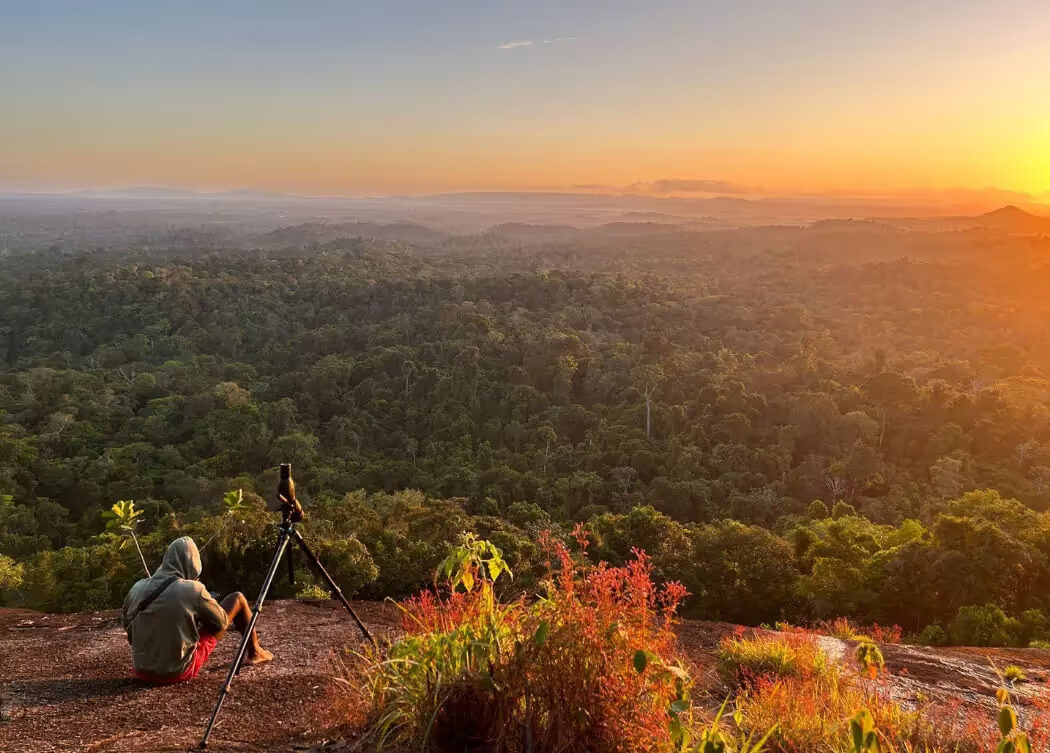
Fredberg is where Suriname starts to feel properly wild, but still doable for a lot of travelers with decent fitness. The vibe is straightforward: we travel into the interior, hike through rainforest, and climb to a rocky top area where the forest finally loosens its grip and we can look out across the canopy. If the sky is clear, sunrise and sunset from up there can feel unreal.
The best part is the overnight. Sleeping up on the mountain (often in simple camp conditions) changes the whole rhythm of the trip. The night sounds get louder, the air can feel cooler, and we wake up early because the jungle wakes up early. This is not a lazy morning kind of adventure.
It suits us if we want a real hike and a real night in nature, but we’re not ready to commit to the extreme remoteness of Tafelberg or Julianatop. Expect early starts, steady walking, and some slippery sections if it’s been wet.
If we want to see how this trip is typically run, the overnight adventure at Fredberg lays out the general flow and what the experience includes.
Tafelberg (Table Mountain), a flat-topped giant for multi-day trekkers
Tafelberg is one of those names that makes mountain lovers lean in. It’s a flat-topped tepui, a big stone table rising out of rainforest, and it’s far from easy access. This is a multi-day commitment, and it usually involves serious logistics. Depending on the approach, we may be using small planes, river transport, and long hikes where the terrain keeps changing under our feet.
What makes Tafelberg special isn’t just the height (about 1,026 meters), it’s the feeling of standing on a massive, flat highland in the middle of the forest. Up top, the space feels bigger, quieter, and strangely clean, like the jungle noise got turned down a notch. Camping on top is often the highlight because it gives us time. Time for changing light, time for clouds to lift, time for that one moment when the view finally stretches without haze.
The key challenge is stamina. Even strong hikers can feel worn down by heat, humidity, and long days. This is a trip where we want a guide team that knows the route and the safe camp spots, because “just keep going” isn’t a plan in remote rainforest mountains.
Julianatop (Ipinumin), the highest point in Suriname for serious hikers
Julianatop (Ipinumin) is the top goal if we collect summits. At about 1,280 meters, it’s the highest point in Suriname, set in the Wilhelmina Gebergte area, and getting there is often the hardest part. Reaching the route can involve river travel, then long jungle trekking where progress is slower than we’d guess from the map.
This isn’t a trail with signs and casual passersby. It’s rugged and remote, and conditions can change quickly. Mud, slick rock, thick vegetation, and steep climbs can all show up in the same day. We plan for more days than we’d expect, because the forest sets the pace, not our watch.
The payoff is bragging rights, sure, but it’s also the feeling of standing at the country’s high point after earning every meter. Safety matters most here: route finding, steady pacing, and conservative decisions when weather shifts. This is the option we choose when we’re fit, prepared, and ready to be uncomfortable for something rare.
How we plan a mountain trip in Suriname without getting in over our heads
A good Suriname mountain plan starts with one honest question: what kind of discomfort can we handle and still enjoy ourselves? Because “mountain” here might mean a bumpy drive to a viewpoint, or it might mean days of wet clothes, hammock nights, and slow hiking through thick forest.
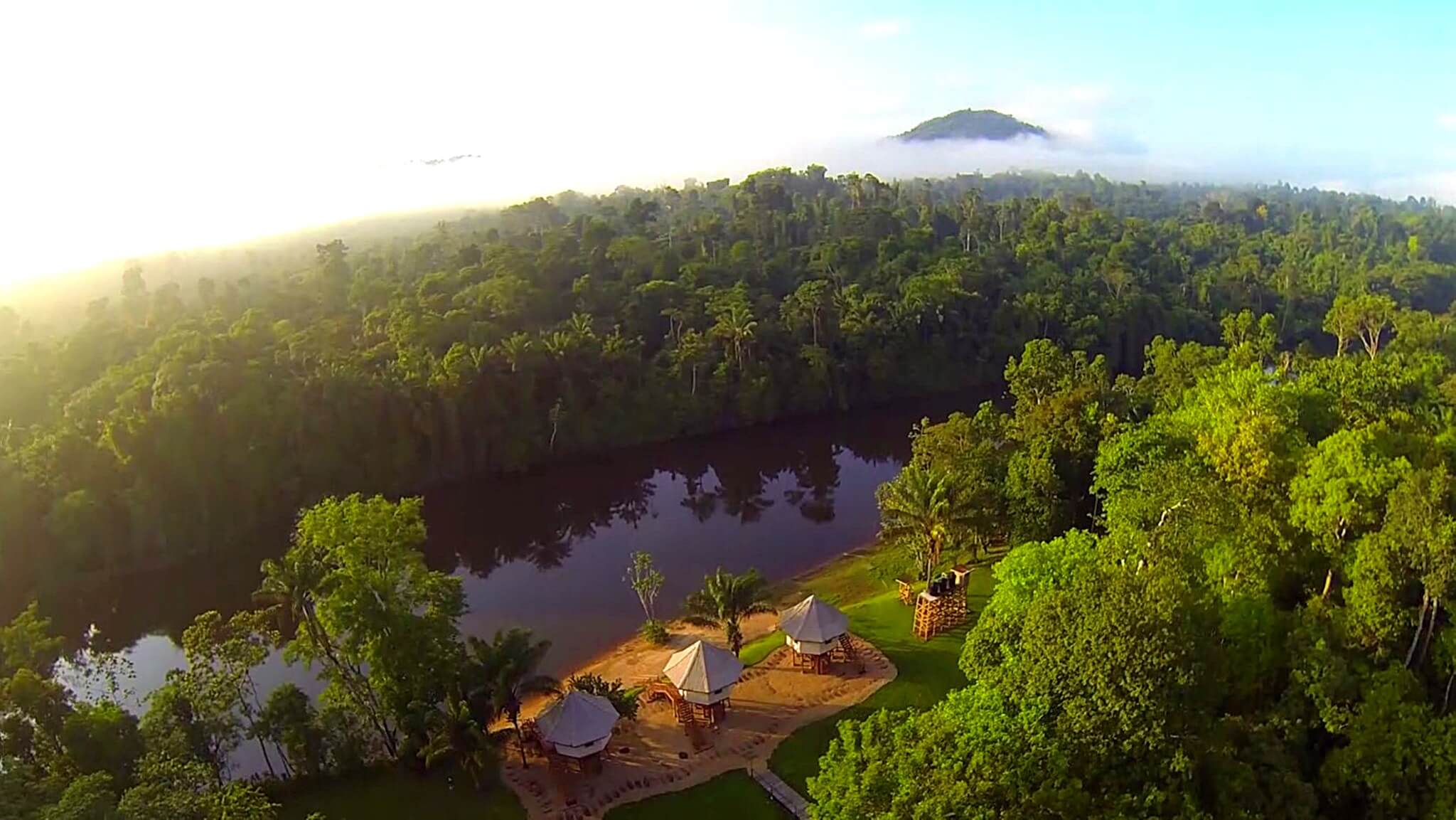
Transport is the big separator. Some trips are road-based. Others stack multiple modes: road plus boat, or flight plus hiking, and each added layer increases the need for time buffers. For deep interior mountains, we also think about communication, weather windows, and the fact that help can be far away.
If we’re still deciding, it helps to read a few perspectives on what a popular starting point feels like. This complete Brownsberg guide is a useful reference for expectations around rain, trails, and what people actually do there.
Pick the right adventure based on time, fitness, and comfort
We keep our decision rules simple, because simple rules hold up when plans shift.
If we only have one day, we pick Brownsberg. We get elevation, rainforest, and wide views without complex logistics.
If we want 2 to 3 days, we choose a Fredberg-style overnight. It’s long enough to feel like a real interior experience, but not so remote that every small problem becomes a big one.
If we want remote multi-day wilderness, we set our sights on Tafelberg. It’s tougher, longer, and more logistically demanding, but the flat-top camping experience is what many people dream about.
If we want the toughest summit goal, we plan Julianatop. That’s the one we treat like a serious expedition, not a casual add-on.
Weather can still rearrange everything, so we don’t pack our schedule too tight. Flex days can save a trip.
What we pack for rainforest mountains (and what we leave at home)
Packing for Suriname’s mountains is mostly about staying dry, or at least getting dry again. The jungle doesn’t care how tough our boots look on Instagram.
Here’s what we actually rely on:
- Quick-dry shirts and pants, plus extra socks (sweat and rain happen)
- Broken-in hiking shoes with grip, and sandals or water shoes for camp
- Headlamp (dark comes fast under canopy)
- Rain layer and dry bags for electronics and clothes
- Water treatment (tablets, filter, or whatever our guide recommends)
- Insect repellent and a basic first-aid kit
- Power bank if we’re taking photos or using GPS offline
What we leave at home: heavy cotton, brand-new boots, and anything we’ll cry over if it gets soaked.
One more thing we treat as part of packing is attitude. We respect local communities, we follow guide rules, and we keep noise low in camp. In the interior, good manners aren’t a bonus, they’re part of traveling well.

Conclusion
Suriname’s mountains are real, they’re just hidden behind rainforest until the moment they aren’t. If we want easy views, Brownsberg delivers. If we want an overnight that feels wild but doable, Fredberg is the sweet spot. If we want a big, remote highland with a true expedition feel, Tafelberg is the one. If we want the highest summit in the country, Julianatop (Ipinumin) is the hard-earned prize.
We’ll get the best views with patience, flexible planning, and the right guide support. Pick the adventure that matches our time and fitness, and we’ll come back with the kind of mountain memories that don’t fade.