
Flamingo and Sea Turtle Season in Suriname, Discover Nature Along the Coast
Suriname’s Atlantic coast has a way of feeling like the world is still being made. In early 2026, when the light softens over mangroves and mudflats, we can hear it in the air, wingbeats, frogs, and the hush that comes right before sunset.
A lot of visitors mix up two headline moments. Galibi is famous for sea turtles, while flamingos are best searched for in coastal wetlands like Bigi Pan. If we plan around that simple truth, our odds of a great wildlife trip go way up.
Sea turtle season is often described as running from February to August, but many travelers plan January through July, with the busiest nesting months usually March through July. Below, we’ll keep it practical: where to go, what we can realistically see, what to pack, and how to watch wildlife without getting in the way.
Overview
Where we can actually see flamingos and sea turtles on Suriname’s coast
If we’re coming for flamingos and turtles in one trip, we need to match the right animal to the right place.
Here are the three coastal highlights we lean on:
- Bigi Pan (northwest coastal wetlands): our best bet for flamingos and huge bird flocks.
- Galibi (northeast beaches): the classic, remote sea turtle nesting experience.
- Braamspunt (near Paramaribo): a closer, more accessible option for turtle nesting nights.
The key expectation setter: flamingos aren’t reliably seen in Galibi. Galibi’s magic is the night beach, not a flamingo lagoon.
Bigi Pan Nature Reserve, our best bet for flamingos and big bird flocks
Bigi Pan is wide-open wetland country on Suriname’s northwest coast, with mudflats, mangroves, and shallow waters that act like a buffet line for birds. It’s also internationally recognized for shorebirds, which gives us a clue about the scale of life here (see the site profile from the Western Hemisphere Shorebird Reserve Network for Bigi Pan).
On a normal visit, the day moves at the pace of the water. We glide through calm channels by boat, scan the edges for movement, then pause while a guide reads the scene: tide height, feeding spots, where birds like to rest.
What we often hope to spot includes flamingos (when conditions line up), scarlet ibis, herons, egrets, and kingfishers. Bigi Pan doesn’t feel like a “zoo moment.” It’s more like watching a living mural, where the colors rearrange every few minutes.
A few tips that actually help:
- Bring binoculars and use them early, birds are often farther than we think.
- Wear neutral colors and keep voices low, sound carries over water.
- Ask guides about tides and feeding areas, bird activity changes with water levels.
- Aim for late afternoon into sunset, the light is kinder and the coast cools a bit.
If we want more bird time, overnights make a difference. The morning and late-day windows can feel like two different reserves. For a structured option that pairs well with Bigi Pan, we can also look at a dedicated itinerary like the 3 Day Bigi Pan (Nickerie) tour, which helps set expectations on pacing and logistics.
Galibi is for sea turtles, not flamingos, and that’s what makes it special
Galibi Nature Reserve is the name that comes up again and again for Suriname sea turtles, and for good reason. The nesting beaches here are known for leatherbacks, and we can also see green turtles, olive ridleys, and hawksbills, depending on timing and luck.
It’s remote, and that’s part of the experience. We travel toward the Marowijne River area, pass through local Indigenous communities, then head to the beach at night with trained guides. The vibe is quiet and rule-based, not because anyone wants to spoil fun, but because turtles have been doing this for ages and we’re the visitors.
We also keep our expectations realistic: sightings are never guaranteed. Some nights are packed with tracks and fresh signs, other nights are slow. Either way, Galibi still feels special because the beach at night has a kind of gravity.
For a simple explanation of how people typically describe the season here, the Galibi tour description that notes nesting from February to July is a helpful reference point.


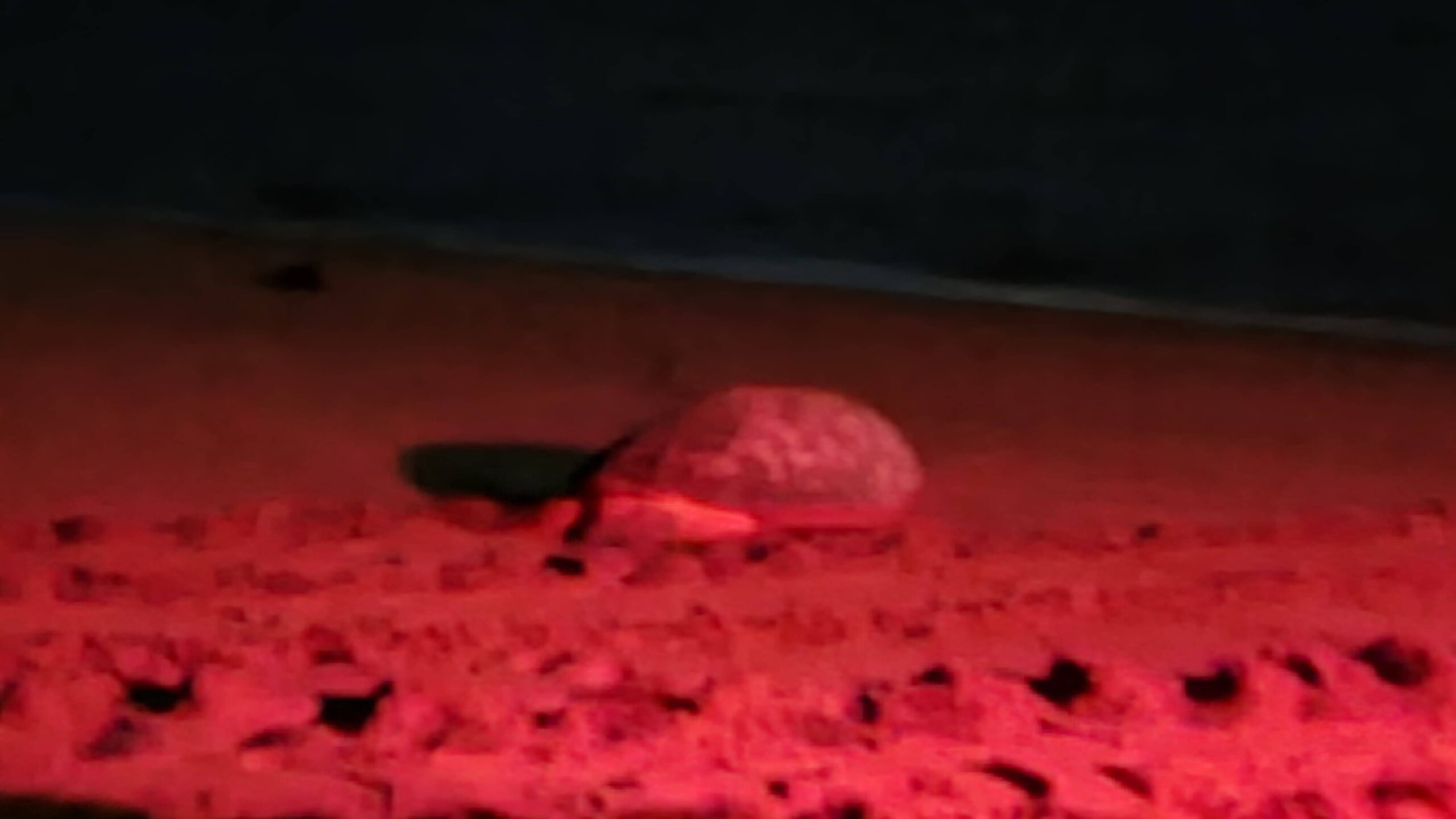
Sea turtle season in Suriname (January through July): best months, best beaches, and what we’ll see
Sea turtle timing is a moving target. Ocean conditions, moonlight, beach shape, weather, all of it can affect what happens on a given week. That said, we can plan with a clear baseline.
Many sources describe the main nesting season as February to August, while travelers often plan trips January through July to catch the strongest part of adult nesting. In practice, March through July tends to be the period with the best odds for seeing nesting adults, while hatching often ramps up in July to August.
In Suriname, two names show up most for turtle nights:
- Galibi: the iconic nesting beaches, usually with overnight travel.
- Braamspunt: closer to Paramaribo, good when we’re short on time.
If we want an easier evening option near the capital, we can start by checking an Evening sea turtle watch at Braamspunt and build the rest of our trip around it.
Month-by-month expectations, from early nesting to hatchlings
We don’t need to overcomplicate this. Here’s how we typically frame it when planning:
| Time of season | What it often feels like | What we might see |
|---|---|---|
| January to February | Quieter nights, still possible activity | Occasional nesting, lots of beach signs |
| March to June | Best overall odds for nesting adults | More frequent nesting events |
| July | Still strong for nesting, hatchlings may start showing more | Nesting plus early hatchling moments (often strongest July to August) |
Comfort matters too. Coastal nights can be hot and humid, then suddenly rainy. Insects can be intense, especially if the wind drops. We plan for sticky air, wet sand, and the fact that we’ll be standing still for long stretches.
Night turtle-watching rules we always follow (and why they matter)
Turtle watching only works long-term if we don’t stress the animals or mess with nesting success. These are the rules we stick to every time:
- No flash photos (flash can disturb turtles and disrupt behavior).
- No white light, we use red light only (white light can disorient turtles).
- Keep distance until the turtle is laying (approaching too early can cause a false return).
- Stay quiet and move slowly (noise and quick movement add stress).
- Never touch turtles or nests (it can harm eggs and the turtle’s process).
- Follow the guide’s pace (guides time visits to reduce disturbance).
- Don’t block the turtle’s path back to the sea (she needs a clear route to return safely).
One more thing we keep simple: we don’t buy shells or turtle products. If it came from the sea, it stays with the sea.
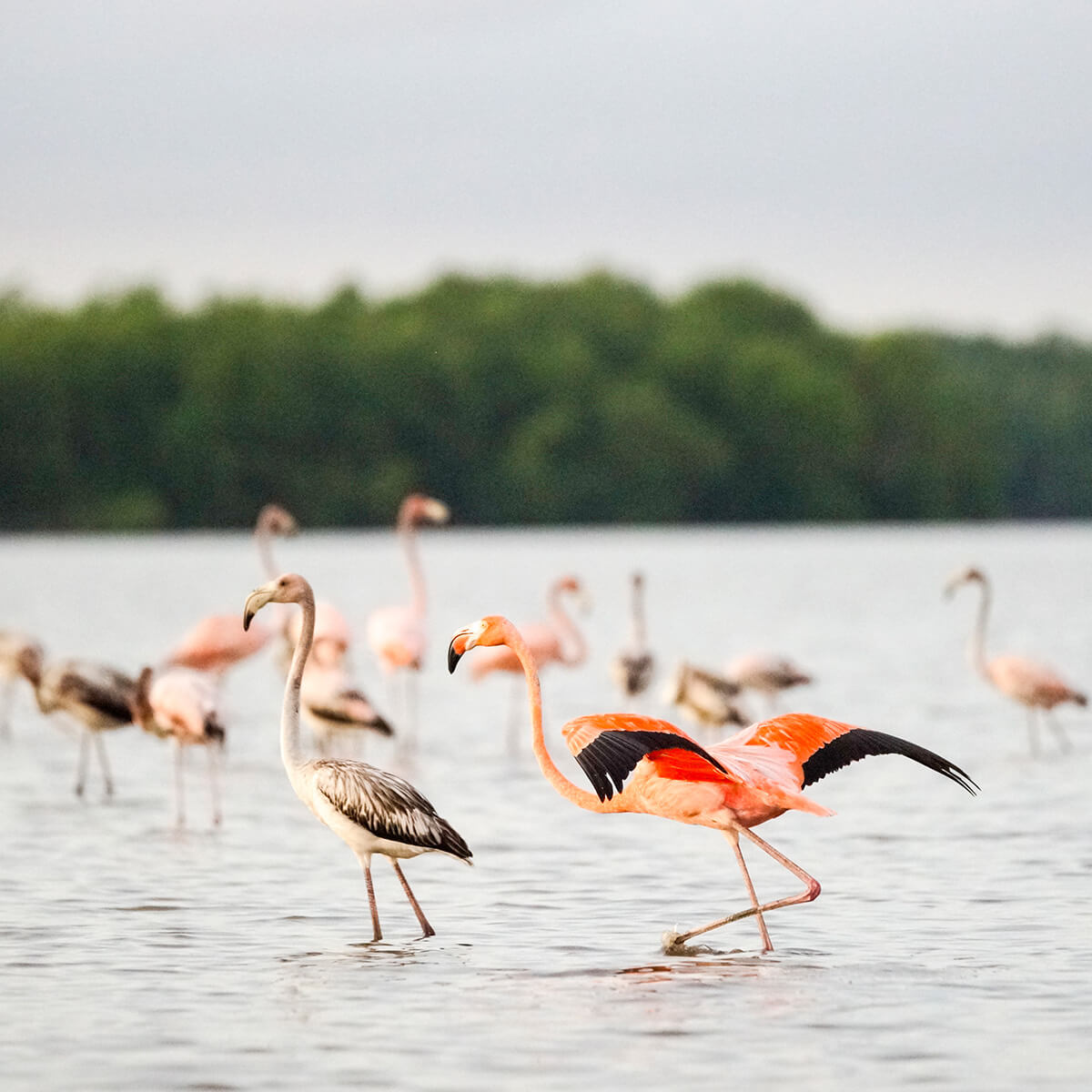
How we plan a coast trip that fits your time and comfort level
Most of us base ourselves in Paramaribo, then branch out. The coast is close on the map, but travel times can still be real.
- Galibi usually means traveling to Albina, then continuing by boat.
- Bigi Pan is generally approached from the west side of the country (often via Nickerie routes).
- Braamspunt is the easiest turtle option when we don’t want a long transfer.
When we want help stitching these pieces together, we start with an overview of guided tours of Paramaribo and coastal reserves so the trip fits our timeline, not the other way around.
Quick trip ideas, one day, one weekend, or a longer nature-focused route
Short stay (minimal travel): We keep Paramaribo as our base, then do one evening turtle tour at Braamspunt. It’s the simplest way to try for nesting without giving up multiple days to transfers.
Weekend (full turtle experience): We commit to Galibi overnight, go with local guides, and give ourselves at least one full night on the nesting beach. The remoteness is the point, it feels like stepping out of regular time.
Longer nature route (birds plus turtles): We do Bigi Pan for wetlands and birdlife, then add a turtle night at Braamspunt or Galibi depending on time. It’s a strong combo because the daytime bird world and nighttime turtle world feel like two different coasts.
What to pack for the coast, so we stay comfy and don’t disturb wildlife
Packing well is half the battle on Suriname’s coast. Here’s what we bring:
- Lightweight long sleeves (sun and mosquitoes).
- Closed shoes (sand, roots, and uneven paths).
- A compact rain jacket (showers come fast).
- Insect repellent (especially for still evenings).
- A refillable water bottle (heat creeps up on us).
- A dry bag for boat rides (phones and cameras survive longer).
- Binoculars for Bigi Pan (it’s the difference between “a dot” and “a flamingo”).
- A small red flashlight (for turtle nights).
- A camera plan that avoids flash (we set it before we arrive).
One comfort trick we love: a light scarf or buff. It helps with wind, bugs, and sun without adding bulk.
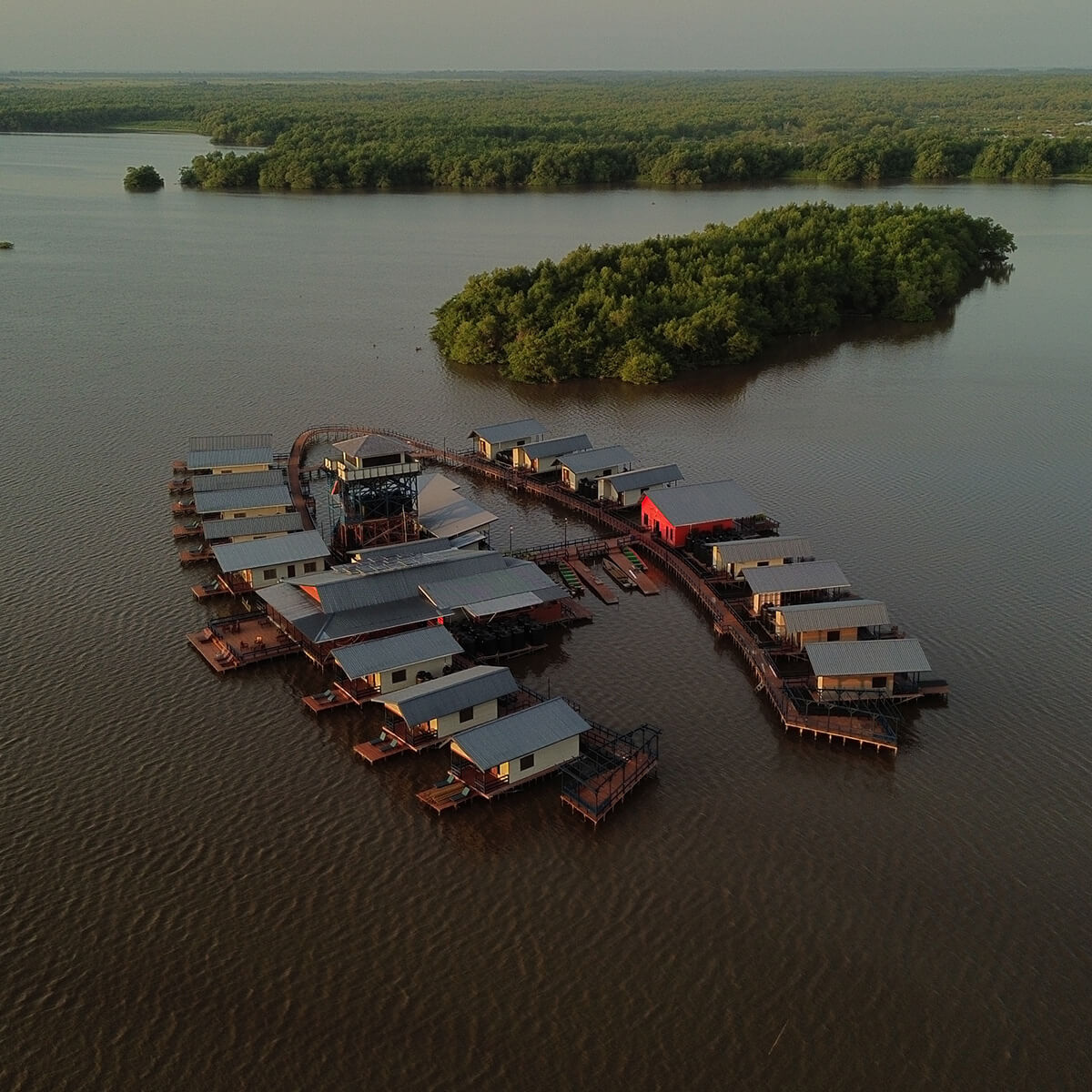
Conclusion
If we want Suriname’s coast to deliver, we match the wildlife to the right place: for flamingos we go to Bigi Pan, for turtles we go to Galibi, and when time is tight we try Braamspunt. For timing, we plan around sea turtle season from January through July, with the best odds often March through July, while remembering nature doesn’t run on our calendar.
The best trips are the ones where we leave the beach the same as we found it, quiet, dark, and ready for the next turtle. If we’re traveling in peak months, booking ahead with guides helps us follow local rules and keeps benefits in the communities that protect this coast.