
Suriname: where culture meets nature in Paramaribo and beyond
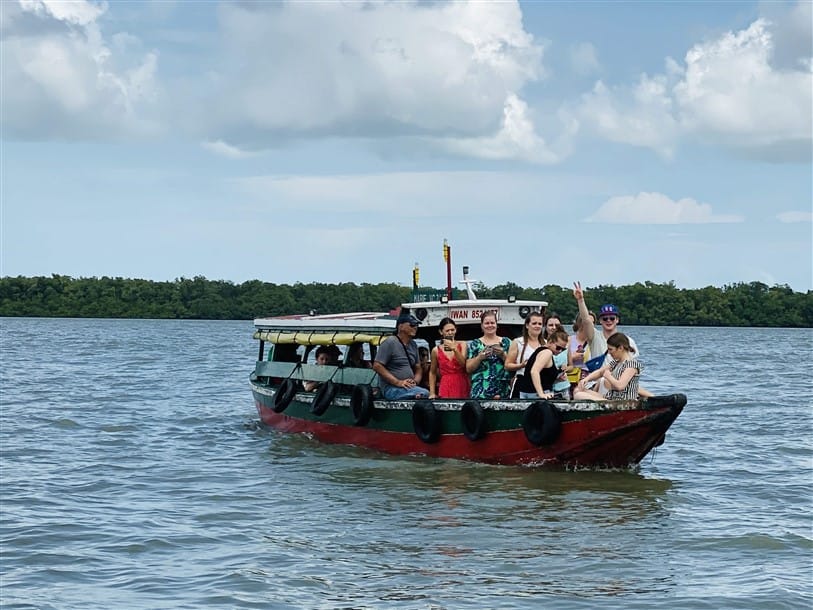
Suriname is small on the map, but it feels huge once we step into it. In one day we can stand in a wooden, riverside capital, then ride a boat to villages where the jungle wraps around every bend.
At the heart of it all is Paramaribo, the capital and the easiest place to feel Suriname’s culture. Wooden houses, mix of languages, river breeze, street food smells, and music through the night all blend into one relaxed rhythm.
Beyond the city, the country changes fast. River villages, jungle lodges, turtle beaches, and waterfalls show a different side of everyday life. In this guide we share clear, simple advice for a first trip, as if we were chatting over a cold drink. We also show how Suriname feels different from Guyana, French Guiana, and Brazil, thanks to its calm mix of cultures and deep focus on nature.
Overview
Why Suriname culture makes travel feel different from its neighbors
Travel in Suriname feels like visiting a friendly small town that just happens to sit beside the Amazon rainforest. Culture shapes almost everything, from how we greet people to how we move around and eat.
When we walk through Paramaribo, we hear Dutch, Sranan Tongo, Sarnami, Javanese, English and even Spanish around us. We see a mosque standing beside a synagogue, and a Hindu temple close to a church. People stop to chat, not to sell us something. That gives trips here a slower, more personal feel.
If we compare Suriname with its neighbors, the difference becomes clear. A helpful overview of the region in this guide to the three Guianas shows how close they are, but daily life still feels distinct once we arrive.
A small, easygoing country with a big cultural mix
Suriname’s population has roots in Africa, India, Java, China, and Europe and of course our Indigenous brothers and sisters who have been here before everyone else. Afro-Surinamese, Javanese, Chinese-Surinamese, Indigenous groups, and Dutch descendants all share the same streets and markets.
We see this mix in:
- Music: kaseko rhythms, Indian film songs, gospel, and Caribbean beats from cars and bars.
- Family life: big gatherings on weekends, long lunches, and kids running between houses.
- Street scenes: sari shops next to Javanese warungs, Chinese supermarkets next to Dutch bakeries.
Dutch is the official language, but many people also speak Sranan Tongo, the second most spoken language in Suriname. Often locals speak English or one or two other languages. That makes travel smoother than many expect. Even if we only know a few words of Dutch or Sranan, locals smile when we try.
Because the country is small and tourism is still low-key, trips feel more like visiting neighbors than joining a mass-tourism crowd.
How Suriname compares to Guyana, French Guiana, and Brazil for travelers
The whole Guianas region is quiet compared to big-name South American spots. Still, each country has its own feel.
- Guyana leans more Caribbean. English dominates, and the vibe feels a bit like a small island with big waterfalls in the backcountry.
- French Guiana feels more European. Euros, French language, and a strong French government presence give it a different tone.
- Brazil is huge, busy, and full of famous sights. Trips there often mean long distances, bigger cities, and more crowded beaches.
Suriname sits in the middle. It is compact, Dutch-influenced, and very community-focused. We can spend a few days in Paramaribo, then reach rivers, jungle lodges, and coastal reserves without long flights or overnight buses. That size, combined with the social mix, changes how we plan. We can do a lot in a week without rushing all day.
Religion, respect, and why trips feel calm and welcoming
One of the first things we notice is how relaxed people are about religion. In central Paramaribo, a mosque and synagogue sit side by side, sharing one parking lot. Churches, Mosque and Hindu temples are scattered around town and along the rivers.
This respect shapes daily travel:
- City walks feel calmer and friendlier.
- People happily explain festivals or holidays if we ask.
- Visits to religious sites feel low-pressure, not like hard-sell tourist stops.
As visitors, we can mirror that respect:
- Wear modest clothes when entering temples, churches, or mosques.
- Ask before taking photos of people, ceremonies, or altars.
- Take off hats and speak softly in sacred spaces.
The result is a safer-feeling, more welcoming trip, especially compared with louder, busier cities elsewhere in South America.
Paramaribo: where Suriname culture comes alive in one walkable city
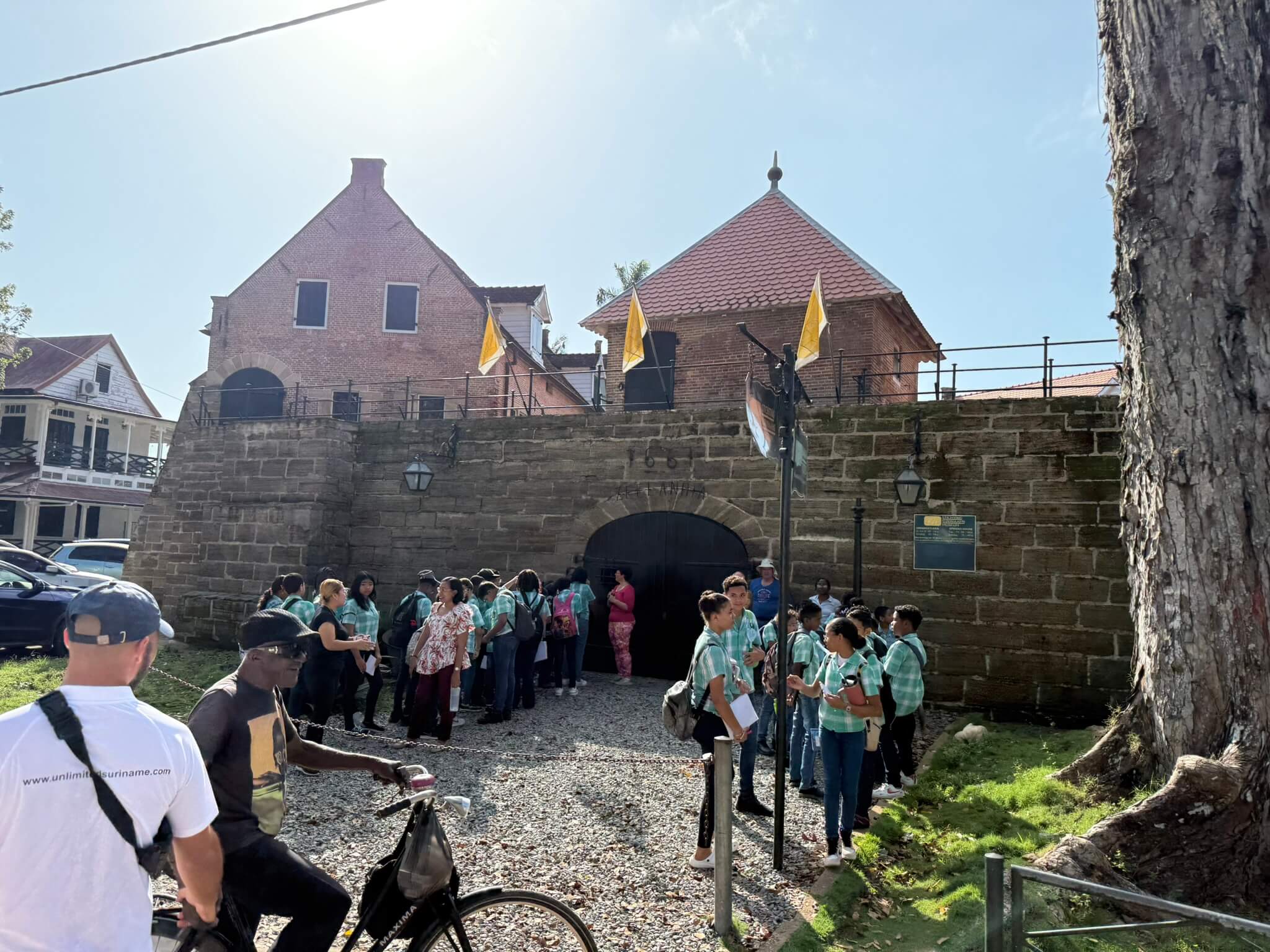
Paramaribo is the best “classroom” for Suriname culture. The historic center, with its wooden houses and river views, is a UNESCO World Heritage Site. According to the UNESCO World Heritage listing for Paramaribo’s historic inner city, the city shows a fusion of Dutch architecture with local building styles.
The nice part for travelers: it is compact and easy to walk. In just one or two days, especially on a guided walk like the Paramaribo historical city walk tour, we can see the main sites, taste fresh fruits, and still have time to relax by the river at night at Waterkant (the waterfront).
Historic Paramaribo: wooden streets, river views, and living history
Most trips start in the historic inner city. Picture white wooden houses with green shutters, wide verandas, and big, tall trees.
Key spots include:
- Independence Square and the Presidential Palace, the center of political life.
- Herenstraat, Downtown Paramaribo, where we feel both strong colonial and modern history.
- Waterkant, the riverside street where people walk, eat, and sit on benches at sunset.
- Saint Peter and Paul Cathedral, one of the largest wooden churches in the region.
We can walk these streets on our own, but going with a guide helps the buildings turn into stories. It is less about ticking off “sights” and more about hearing how people lived, traded, and mixed here.
If we want another perspective before visiting, the Paramaribo UNESCO site travel guide gives a good overview of the main buildings and the layout of the center.
Markets, street life, and everyday Paramaribo
Markets might be the easiest way to feel daily life. Centrale Markt and smaller street markets are full of colors, smells, and sounds.
We walk past:
- Piles of tropical fruit.
- Fresh fish and dried shrimp.
- Bundles of herbs, roots, and medicinal plants.
- Simple snacks and food stalls.
To connect in a natural way, we can buy fruit, try a fresh juice, or ask stall owners how to use a certain spice. Most people are happy to explain.
A few city-smart tips help: carry small cash, keep phones and wallets in front pockets or a small bag, and avoid flashing big cameras in tight spaces. If we like extra comfort, joining one of the local Suriname day tours and cultural excursions is a nice way to explore markets and nearby nature with support.
Tasting Suriname culture through food: roti, pom, and Javanese snacks
Food might be the fastest way to understand Suriname culture. Each group brought its own recipes, and they all ended up on the same table.
Some easy favorites:
- Roti with curry chicken or vegetables, from Indo-Surinamese kitchens.
- Pom, a baked dish of grated root with chicken or other fillings.
- Bami and nasi, noodle and rice dishes with Surinamese-Javanese touches.
- Satay with spicy peanut sauce.
- Fresh river fish, often grilled or cooked in coconut milk.
Many visitors fall in love with the Javanese warungs and ‘broodjes winkel”, a sandwich snack bars on every corner. Vegetarian choices are common, with roti, stir-fried vegetables, and tofu options.
If we want a deeper peek into flavors, this overview of Surinamese food like roti, curry, and pom shows how dishes traveled from Suriname to Dutch cities.
We always suggest trying local eateries and food stalls, not just hotel restaurants. That is where we feel the real rhythm of lunch breaks and family dinners.
Nighttime Paramaribo: riverside bars, music, and safe city fun
At night, Paramaribo shifts into a softer mood. The heat drops, the river breeze picks up, and people head to small bars, terraces, and food spots.
A typical evening might look like this:
- Watch the sunset by the river.
- Share cold drinks and fried snacks with friends.
- Listen to live music or a DJ mixing Caribbean, Surinamese, and Latin tracks.
For safety and comfort, we keep things simple. We stick to well-lit streets, use trusted taxis or rides arranged by our hotel, and keep valuables close. For a first visit, joining a group or a guided evening activity can feel easier than wandering alone.
Planning a Suriname trip that blends culture and nature
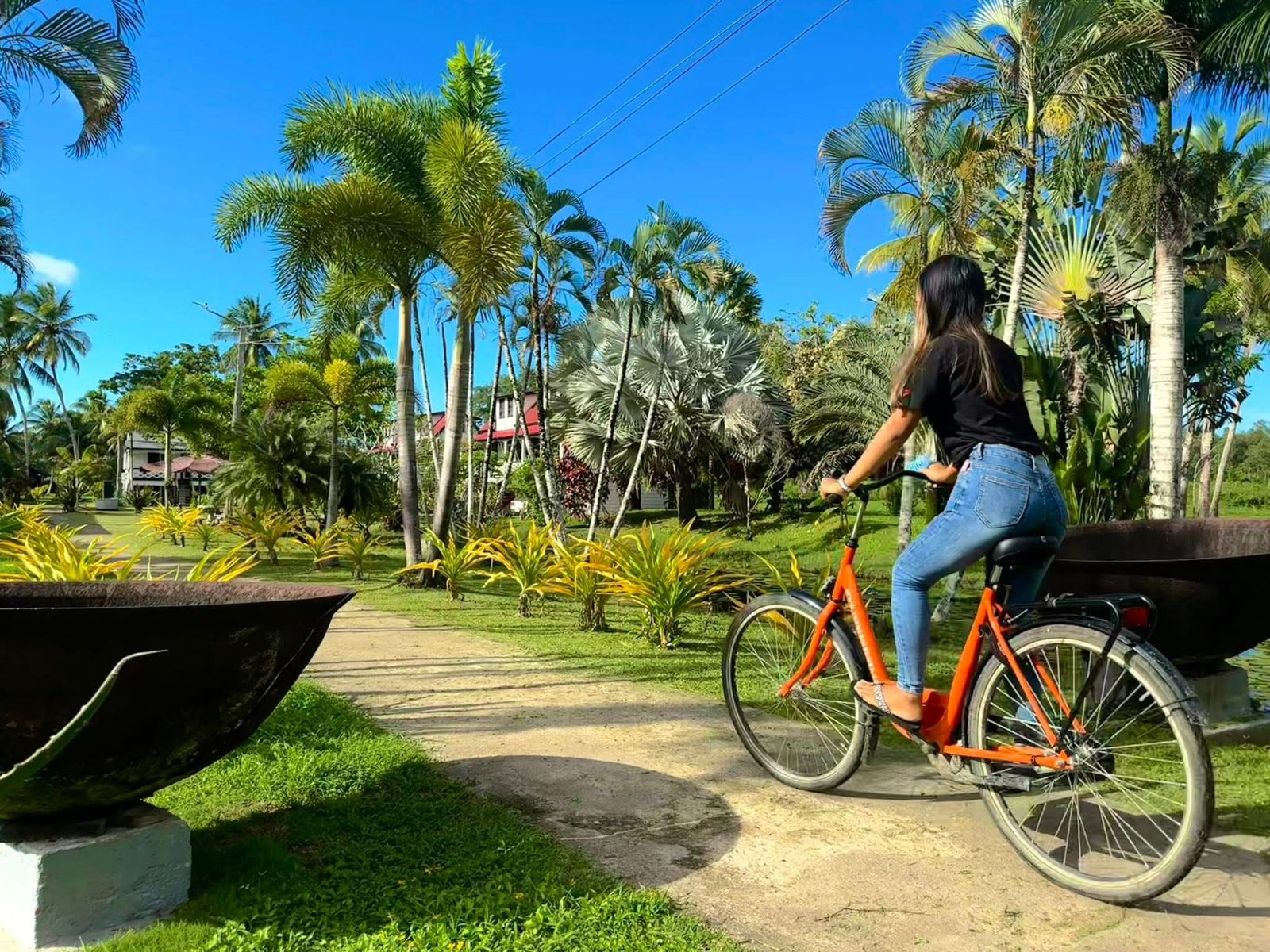
By now, most of us can picture the mix: wooden streets in Paramaribo, river markets, forest trails, and turtle beaches. The next step is turning that picture into a plan.
A local overview like Discover Suriname: culture and nature guide is useful for first ideas. Then we can adjust based on how many days we have, our budget, and how “wild” we want to go.
How many days to spend in Paramaribo vs the interior
Here are simple time splits that work well:
- 3 to 4 days total: Stay in Paramaribo, with one or two day trips. We focus on the historic center, markets, food, and an easy nature visit like a Brownsberg or river tour.
- 1 week: Spend 2 to 3 days in Paramaribo, then 3 to 4 days in the interior at a jungle lodge or river resort. We get a real feel for Suriname culture in both city and village life.
- 10 to 14 days: Mix 3 days in the city, a few days in a Maroon or Indigenous area, plus time at a remote jungle lodge or coastal turtle area. This is the sweet spot for those who want both comfort and deeper adventure.
The compact size of the country means less time in transit compared with Brazil or other big neighbors. That gives us more time to sit, talk, and watch life unfold.
Best time to visit, weather, and what to pack
Suriname sits in the tropics, so it is warm year-round. The easiest months for travel are the main dry periods, roughly February to April and August to November. December is the start of a longer dry stretch, so late-year trips can work very well.
Dry months mean:
- Easier hikes.
- Better river conditions in many areas.
- Less daily heavy rain.
A short, realistic packing list:
- Light, breathable clothes for heat and humidity.
- One light rain jacket or poncho.
- Long sleeves and long pants for insect protection at night.
- Good walking shoes or trail shoes.
- A modest outfit for religious sites and village visits.
- A small daypack, refillable water bottle, and sunscreen.
In June 2025, Suriname was certified malaria-free by the World Health Organization, which simplifies health planning. We still use insect repellent because mosquitoes can carry other diseases, and we drink bottled water outside Paramaribo.
Why booking with a local Surinamese tour operator helps
We can travel on our own, but a local operator often makes trips smoother and richer. Companies like Unlimited Suriname Tours know boat captains, lodge owners, and village leaders. They match our budget and comfort level with the right mix of city time, river stays, and jungle nights.
Booking with a local team helps with:
- Transport on rough roads and rivers.
- Small plane flights to remote lodges.
- Reliable guides who speak local languages.
- Support if weather or river levels change plans.
Most of all, local guides share their own stories, family backgrounds, and village ties. That personal contact deepens our understanding of Suriname culture in a way no guidebook can match.

Beyond Paramaribo: where wild nature meets river villages and jungle lodges
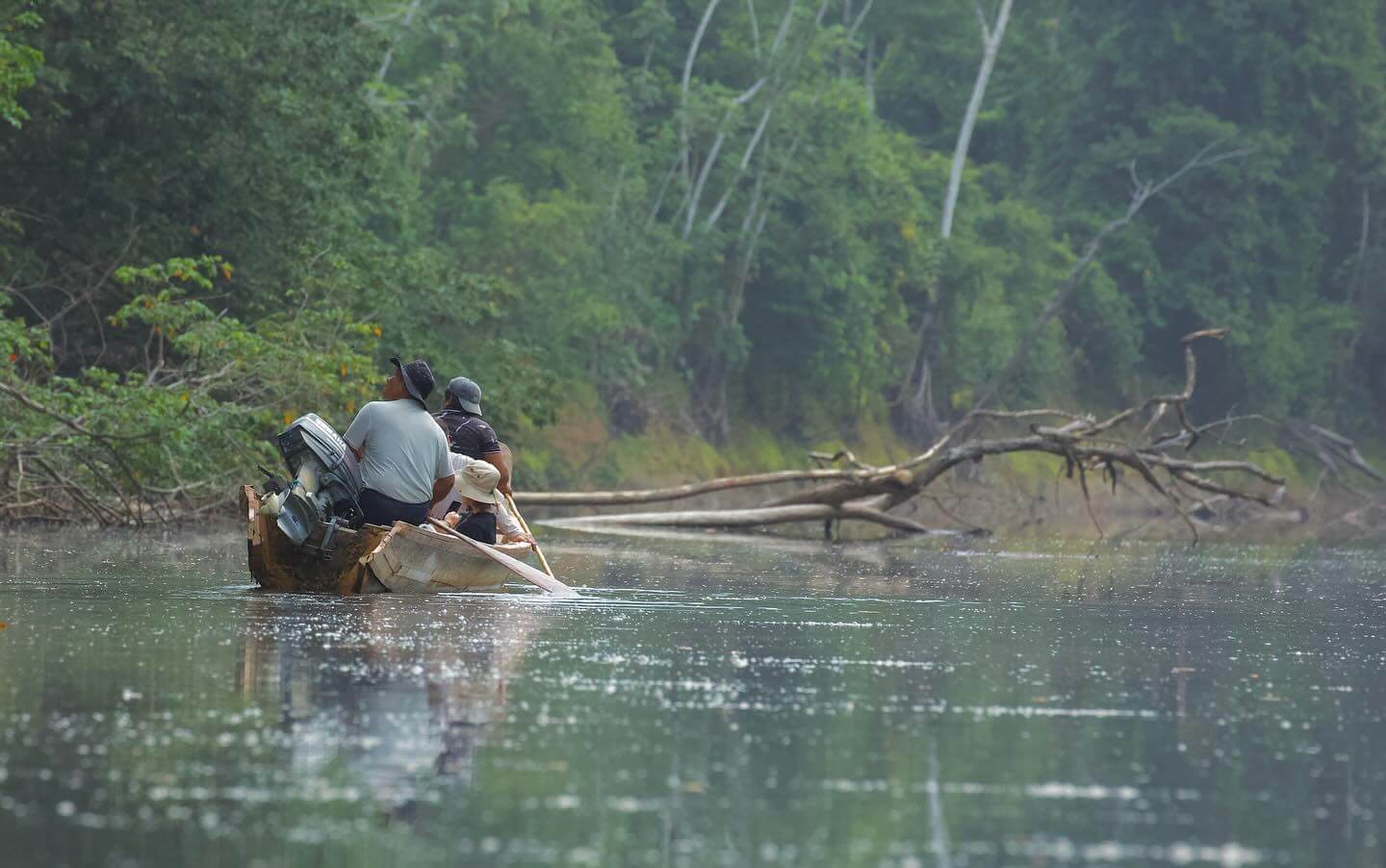
Once we leave the city, Suriname turns green quickly. Most of the country is rainforest, and many trips use rivers and small planes instead of highways.
Nature and culture stay linked. When we visit waterfalls or spot wildlife, we often stay in lodges owned or staffed by Maroon or Indigenous communities. Meals, stories, and daily routines show another layer of Suriname culture.
To see how these pieces fit into full trips, we can look at the company’s extended multi-day adventures in Suriname, which mix river travel, village visits, and deep jungle stays.
Brownsberg and nearby nature: easy access to waterfalls and wildlife
Brownsberg Nature Park is a popular first step into the interior. It lies a few hours from Paramaribo, high on a plateau that looks out over the Brokopondo Lake.
Here we can:
- Hike to viewpoints with wide views over the forest.
- Walk down to small waterfalls where we can cool off.
- Hear and often see monkeys, birds, and plenty of butterflies.
Trails can be steep or muddy, so basic fitness and good shoes are helpful. Rain can fall even in dry months, so a light rain jacket is smart.
Guided trips make life easier. Guides know the paths, spot animals we would miss, and handle transport, which is key on the rougher roads.
Remote rainforests and river journeys into the interior
For a deeper experience, multi-day trips head to the Central Suriname Nature Reserve, Raleighvallen, or other remote river regions.
These trips feel different from standard tours. Days are shaped by simple moments:
- Long boat rides along calm, brown rivers.
- The sound of insects and frogs at night.
- Clear night skies, far from city lights.
- Swimming near rapids and waterfalls.
Local guides often grew up in nearby villages. They show how people fish, cook, build houses, and read the forest. That turns a nature trip into a cultural one as well.
For a broad overview of routes, costs, and nature highlights, this Suriname travel guide with what to see, do, and costs gives good background.
Galibi and the coast: sea turtles and Indigenous culture
On the northeast coast, Galibi Nature Reserve mixes beaches, sea turtles, and Indigenous Kalina culture. During turtle season, locals take visitors by boat to nesting sights at night.
We sit on the sand under the stars while guides point out:
- Giant leatherbacks crawling up to dig nests.
- Green turtles and sometimes olive ridleys.
- Rangers and local helpers keeping watch.
Because turtles are sensitive, we follow strict rules: no flash photos, no touching, soft voices, and staying behind the animal. More detail on species and nesting areas appears in this overview of the Galibi sea turtle nesting beach.
Stays are often in simple village lodges. During the day we might learn about local crafts, taste fish stews, and talk with host families. The wildlife highlight becomes part of a wider cultural visit.
Green Heritage Sloth Sanctuary: the Xenarthra Program
The Xenarthra Program of the Green Heritage Fund in Suriname is involved in the shelter, care, rehabilitation and release of these animals. This means that orphaned and distressed animals are adopted temporarily until they are healthy and prepared to be returned to the forest. If supporting a good cause is something that warms your heart, feel free to join one of the foundation’s tours. Being just an hour away from Paramaribo, the tours take place from Monday through Friday between 09:00 – 16:00. Please note: reservations should be made at least 5 days in advance with a minimum of 2 participants. It is also possible to join a group, and and Unlimited Suriname Tours can take care of the booking including transportation.. For these tours, only a voluntary contribution is requested at the Sanctuary. For more info, please see detailed information about the Xenartha Program.
Meeting Maroon and Indigenous communities with respect
Along the Suriname and Tapanahony rivers, many villages belong to Maroon and Indigenous groups. They are not “tourist shows”; they are real homes.
To visit in a good way, we can:
- Travel with trusted operators who work with the communities.
- Follow dress advice, usually covered shoulders and knees in villages.
- Ask before taking photos of people, homes, or ceremonies.
- Buy local crafts or snacks as a way to support families.
Many lodges and tours are run by Maroon or Indigenous partners. When we listen and ask honest questions, visits turn into two-way learning, not just quick stops.
Conclusion: Let Suriname’s culture guide your route into nature
From wooden streets in Paramaribo to rapids in the interior, Suriname culture and nature are tied together. We feel it when we see a mosque beside a synagogue, taste roti after a jungle hike, or sit quietly while sea turtles nest on a dark beach.
Compared with neighbors like Guyana, French Guiana, and Brazil, Suriname offers a calmer, more compact, and more community-focused path into the region. It suits travelers who prefer real conversations and river journeys over crowded sightseeing lines.
If this sounds like our style, the next step is simple. We can sketch a plan with a few days in the capital and a few more along the rivers, then talk with a local operator to shape the details. With the right mix of city walks, market visits, and jungle nights, Suriname will feel less like a trip and more like a story we are now part of.